


Thu Thiem – The New Administrative Center of a 14-Million-People Megacity
The People's Committee of Ho Chi Minh City has recently approved the 1/500 detailed zoning plan for a new political, administrative, and cultural center integrated with a central lake park in Thu Thiem New Urban Area. Covering more than 33 hectares and designed to accommodate up to 15,000 people, the project is expected to break ground in 2026 and be completed by 2028.
Relocating the city's administrative center to Thu Thiem is a strategically sound decision. It not only addresses the governance needs of a megacity with more than 14 million residents following the administrative merger, but also serves as a catalyst to unlock the long-delayed development potential of Thu Thiem New Urban Area.
This article explores several key strategic directions that should be considered to ensure the new administrative center truly reflects the stature and aspirations of Ho Chi Minh City's future urban core.
A Space That Promotes Cross-Sector Collaboration
In fact, years ago, while I was living and working in the United States, former Prime Minister Vo Van Kiet invited me to serve as an advisor for the Thu Thiem project. At that time, we had already proposed establishing a new administrative center for Ho Chi Minh City in Thu Thiem, and the idea was incorporated into the international urban planning competition brief.
However, due to various circumstances, the proposal was eventually set aside, and the administrative center remained concentrated around the current People's Committee headquarters and surrounding areas. At one point, an American consulting firm even suggested demolishing several heritage structures, including the historic Dinh Thuong Tho building, to create additional space. Yet these landmarks are important elements of the city's cultural heritage and deserve preservation. Even if they had been removed, the available land would still have been insufficient to accommodate an administrative complex worthy of Ho Chi Minh City's scale.
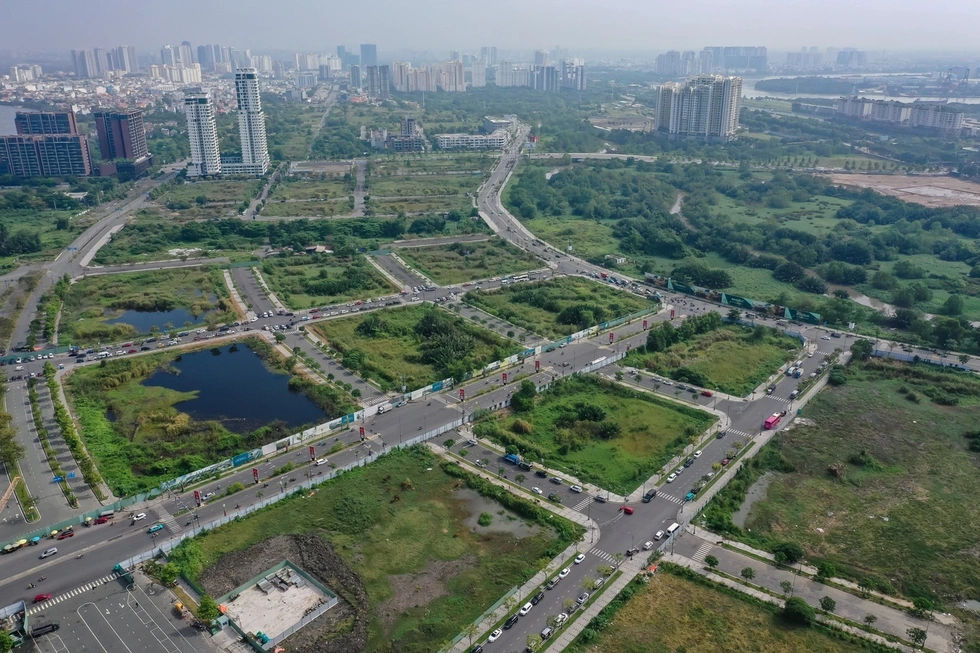
The importance of a modern administrative center extends far beyond providing office space. Its primary purpose should be to facilitate interdisciplinary collaboration—an area where urban governance in Vietnam, including Ho Chi Minh City, continues to face significant challenges.
The administrative center should be located on a site large enough to consolidate the Party Committee, People's Council, People's Committee, and all municipal departments in one location. Thu Thiem possesses the land resources necessary to achieve this vision.
Meanwhile, the existing headquarters on the western bank of the Saigon River could continue serving ceremonial functions, including diplomatic receptions and symbolic civic events. Administrative operations, however, should be centralized in Thu Thiem to improve efficiency and coordination.
I want to emphasize the need to build an administrative center, not just as a place to work, but with the ultimate goal of facilitating interdisciplinary cooperation between sectors – a weakness in urban management not only in Ho Chi Minh City but in Vietnamese cities in general today.
The administrative center needs a location with sufficient space to house all the administrative bodies, including the City Party Committee, the People's Council, the People's Committee, and various departments. Thu Thiem currently has suitable land for this purpose.
On the west bank of the Saigon River, the existing Ho Chi Minh City People's Committee building could still be retained for ceremonial purposes, receiving international guests, or other symbolic activities. However, administrative activities should be consolidated and concentrated in Thu Thiem to increase operational efficiency.
The administrative center will handle strategic issues for Ho Chi Minh City, especially unprecedented projects in Vietnam: the Long Thanh airport city (connecting Dong Nai and Ho Chi Minh City), the Cai Mep Ha free trade zone, urban areas along the metro line, the Thi Vai - Cai Mep - Can Gio international seaport urban area… all of which require innovative mechanisms and high levels of multi-sectoral cooperation, rather than the single-sector approach of the past. With the simultaneous involvement of many departments and agencies in a single project, an administrative center is essential for representatives from these units to meet and discuss regularly.
Networked multi-center public service system
It is important to recognize the importance of administrative centers in conjunction with a network of public service centers. Administrative centers are where departments and agencies work and coordinate with each other, while public services are where one-stop administrative procedures are handled for citizens.
And given its characteristics as a megacity, in addition to public service facilities located in the administrative center in Thu Thiem, Ho Chi Minh City needs to organize a network of interconnected public service centers, conveniently located for residents in wards far from the city center, without requiring them to travel to the administrative center.
Following the merger and reorganization of the two-tiered government structure, redundant administrative offices can be converted into one-stop public service centers, providing citizens with more convenient and efficient access to services.
The ecosystem of the administrative urban area in Thu Thiem.
Administrative centers should not exist in isolation, but should be integrated with residential and commercial areas to form a comprehensive administrative urban area, avoiding the situation where the center becomes "dead silent" after working hours.
This also helps gradually shift the ecosystem around the old administrative areas in District 1 and District 3 to the new location, giving tens of thousands of households of civil servants, public employees, and workers the opportunity to relocate to Thu Thiem, so they don't have to spend hours commuting to work, causing traffic congestion and reducing work efficiency.
The advantage is that the Thu Thiem resettlement area, already completed for 12,500 households, is located nearby, but due to unsuitable development plans, it has been left vacant for many years. This presents a great opportunity for planning an administrative urban area. The city could renovate this resettlement area, allocating a large portion for housing for civil servants (for rent or sale). This would immediately fill the previously abandoned urban area, utilizing existing assets while revitalizing the region.
The ecosystem of the Thu Thiem International Financial and Economic Center.
More importantly, the administrative center needs to be integrated with the international financial center and the cultural and entertainment center of Thu Thiem. These three functions support each other, creating a complete and vibrant new center, and also helping to realize the Thu Thiem urban area more quickly.
The space of the Thu Thiem International Financial Center not only needs to be integrated with the existing Financial Center along Ham Nghi Boulevard, but also needs to be appropriately planned in relation to the surrounding administrative center and the transportation hub of the Thu Thiem New Urban Area, including the metro station, bus center, and interchange of the multimodal transportation system connecting the region.
Architecture of the Central Administrative District
The administrative center of a megacity needs to be a worthy, iconic building. Looking back at history, the Ho Chi Minh City People's Committee headquarters is an architectural landmark, a symbol of Saigon's administrative buildings during the French colonial period. The Independence Palace is an administrative building of Saigon that served as a "highlight" of the 20th century. Therefore, in the 21st century, Ho Chi Minh City also needs a new building worthy of the country's new stage, the central hub of a megacity with over 14 million inhabitants.
Following a systematic approach, an international architectural competition should be organized to select the best design, one that is worthy of the nature of this project.
Given the rushed approach and the direct awarding of the contract, it must be frankly acknowledged that the future Administrative Center's design still falls short of the desired symbolic significance! The 1/500 scale plan primarily only identifies land plot locations, building heights, and density. The architectural proposals accompanying this plan are merely illustrative of the planned space and should not be considered the final construction plan. If the decision to commence early is still made, the consulting firm that awarded the contract needs to urgently present a more convincing plan!
Adjusting the Master Plan for the Ho Chi Minh City Megacity Center on both the east and west banks of the Saigon River.
We support and appreciate the determination of the current Ho Chi Minh City leadership in developing the city center over the past few years, including the policy of renovating the West Bank city center (transforming the Saigon Port area into a park associated with cultural works, the overall urban planning of the Saigon River area, etc.) and developing the East Bank Thu Thiem city center (the Thu Thiem revised plan for the International Financial and Economic Center and the Administrative Center).
However, the planning adjustments in Thu Thiem over the past period, while necessary, are by no means sufficient, as they are merely solutions to address new situations and emerging needs. This is because the Thu Thiem master plan, approved by the Prime Minister in 1996 and by the Ho Chi Minh City People's Committee in 2005, has many outdated and unsuitable points.
Should we create a completely new urban plan (a new master plan) or continue patching up the old one (adjusting the old plan)? This is a strategic question facing the leaders of megacities!
In fact, the Thu Thiem development plan was already 20 years behind schedule. Looking at Pudong in Shanghai (a project I was involved in planning), they only took 15 years to complete construction after clearing the entire area. That success was partly due to the decision to redesign the integrated central areas on both the East and West sides of Shanghai as a unified entity in the late 1990s, after years of slow development due to the separate planning approach for the West and East sides of the city center.
Hopefully, the city leaders will soon direct the integration of the existing and expanded Central Area planning (930ha) on the West Bank with the Thu Thiem New Central Area planning (730 ha) on the East Bank, into a single unified plan for the Ho Chi Minh City megacity central area, in which:
- Developing the Thu Thiem Financial and Economic Center in conjunction with the financial center on Ham Nghi Boulevard;
- Developing the Thu Thiem Administrative Urban Area in relation to its connection with the existing West Bank Central Area and with the network of public service centers;
- Reorganize the system of squares, parks, and public cultural facilities on both the East and West banks in a way that connects them spatially in terms of architectural and landscape planning, reflecting the continuity of the central space from the 19th, 20th, and 21st centuries;
- Develop the necessary social infrastructure for Thu Thiem according to the principle of developing urban communities within 15 minutes;
- Supplement and improve multimodal transportation connections between the central areas on both the East and West banks, aiming to create convenient connections, reduce future traffic congestion, and enhance the value of many potential land areas in Thu Thiem that have yet to attract investment and development. Planning must be a factor in creating opportunities for investment and development;
- Elevating the height planning and functional spatial organization of the new Thu Thiem central area to be more befitting its status as the nerve center of a megacity with over 14 million people, and its role in coordinating multiple sectors to promote unprecedented breakthrough development models in Vietnam, aiming for double-digit economic growth.
Author : Dr. Ngo Viet Nam Son, an architect and PhD holder in Urban Planning and Architecture from the University of Washington and the University of California, Berkeley, graduated with a Ph.D. from the University of Washington and a Master's degree from the University of California, Berkeley. He has nearly 40 years of international experience in architectural design and planning consulting in North America and Asia, including Vietnam, and is currently the Chairman of NgoViet Architects & Planners.
Source: Dan Tri.
TIN TỨC LIÊN QUAN
.png)
Ngày 15/06/2026, Công ty Cổ phần Phát triển Bất động sản Phát Đạt (PDR: HOSE) phát hành Bản tin Nhà đầu tư tháng 06/2026, cập nhật các hoạt động nổi bật trong tháng, bao gồm kế hoạch tăng vốn, triển khai lấy ý kiến cổ đông, các hoạt động tái cấu trúc danh mục đầu tư, thúc đẩy hợp tác chiến lược với đối tác quốc tế và tiến độ thực hiện các thương vụ đầu tư trọng điểm.
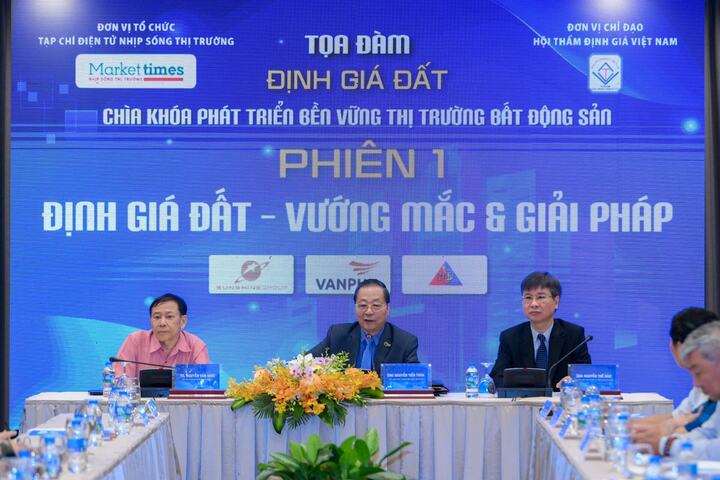
(VTC News) - Theo các chuyên gia, để định giá đất chính xác, cần ban hành bộ tiêu tiêu chuẩn định giá riêng cho từng nhóm bất động sản.
Công ty Cổ phần Phát triển Bất động sản Phát Đạt (PDR: HOSE) vừa công bố thông tin về việc triển khai lấy ý kiến cổ đông bằng văn bản để thông qua một số nội dung thuộc thẩm quyền Đại hội đồng cổ đông. Theo đó, Hội đồng Quản trị PDR trình cổ đông xem xét và thông qua chủ trương đầu tư mua phần vốn góp tại Công ty TNHH Lotte Properties HCMC. Giá trị giao dịch dự kiến là 10.400 tỷ đồng, tương ứng từ

Ngày 04/06/2026, Hội đồng Quản trị Công ty Cổ phần Phát triển Bất động sản Phát Đạt (PDR: HOSE) đã thông qua chủ trương chuyển nhượng toàn bộ số cổ phần mà Công ty đang sở hữu tại Công ty Cổ phần Đầu tư Serenity.
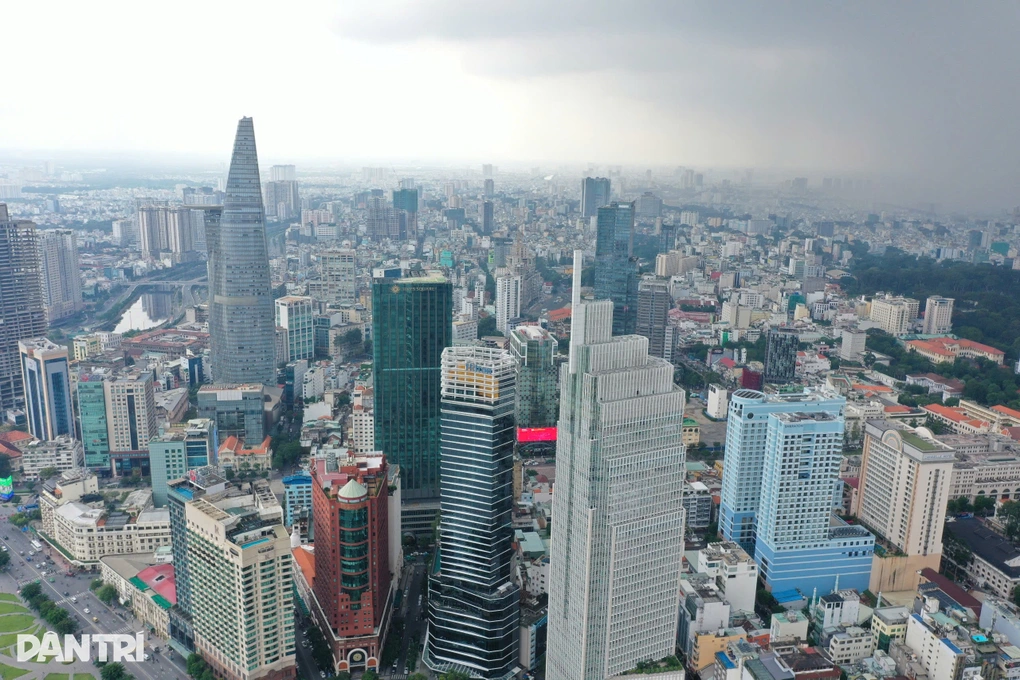
(Dân trí) - Để khơi thông nguồn lực đầu tư, TPHCM sẽ đưa "Hệ thống 45" vào vận hành trong quý II, quyết liệt gỡ pháp lý cho 421 dự án đang đình trệ sau đợt sắp xếp đơn vị hành chính.
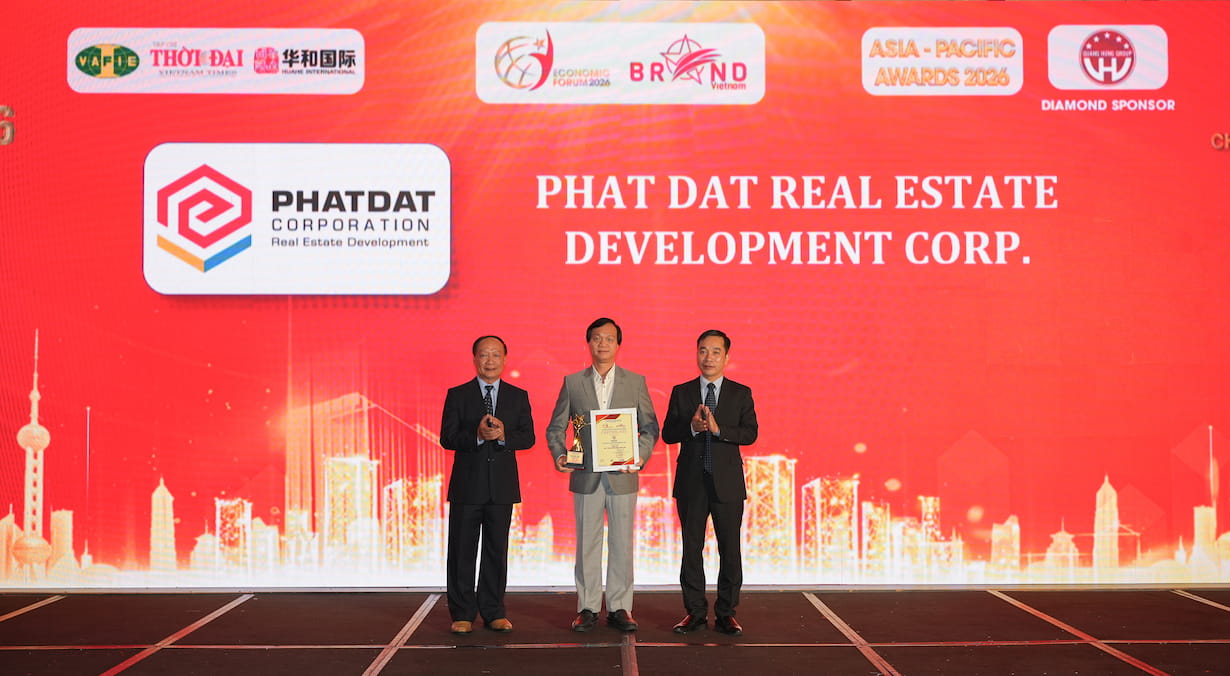
Công ty Cổ phần Phát triển Bất động sản Phát Đạt (PDR: HOSE) vừa được vinh danh trong hạng mục “Top 10 Thương hiệu Tiêu biểu Châu Á – Thái Bình Dương 2026” tại Bắc Kinh, Trung Quốc. Giải thưởng nằm trong khuôn khổ Diễn đàn Kinh tế Châu Á – Thái Bình Dương lần thứ V năm 2026 – sự kiện quy tụ các doanh nghiệp, tổ chức và chuyên gia kinh tế hàng đầu khu vực.
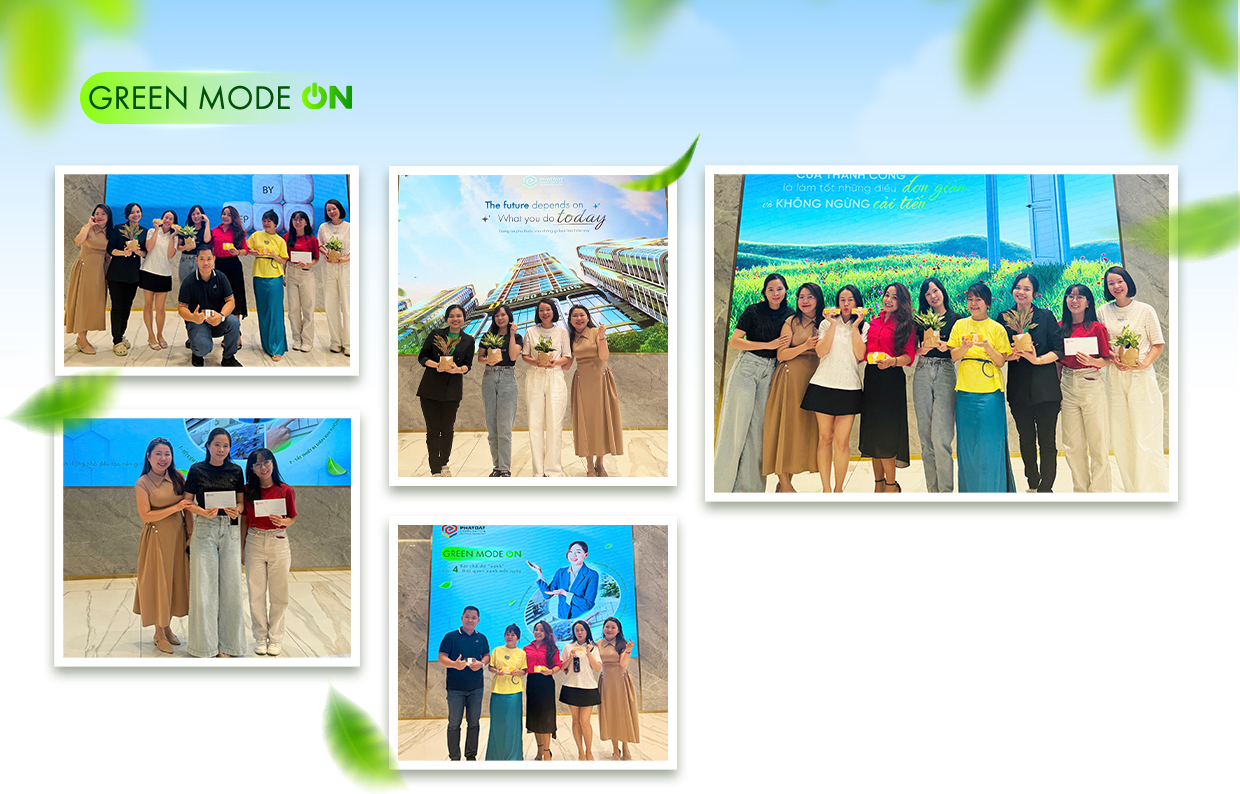
Trong những ngày vừa qua, không khí làm việc tại PDR trở nên sôi động hơn bao giờ hết với mini game “Check-in góc xanh tại bàn làm việc”.