


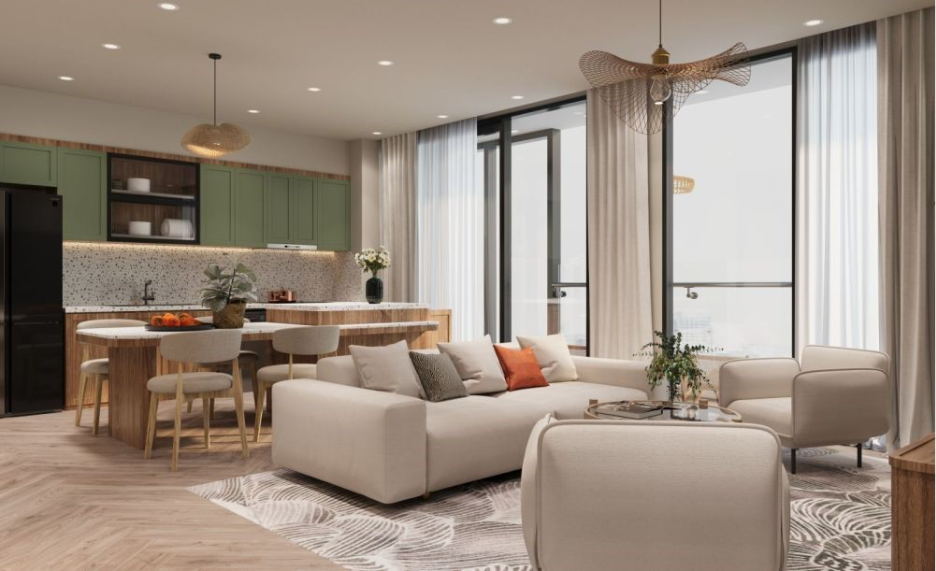
As urbanization continues to reshape modern lifestyles, apartments have become an increasingly popular housing choice for young families. At the same time, apartment interiors are evolving to prioritize functionality, connections with nature, and personalized living experiences. Several emerging trends are helping define the future of contemporary residential design.
Minimalist Design with Neutral Tones
Minimalism remains a preferred design approach for many homeowners thanks to its ability to create a sense of openness and order.
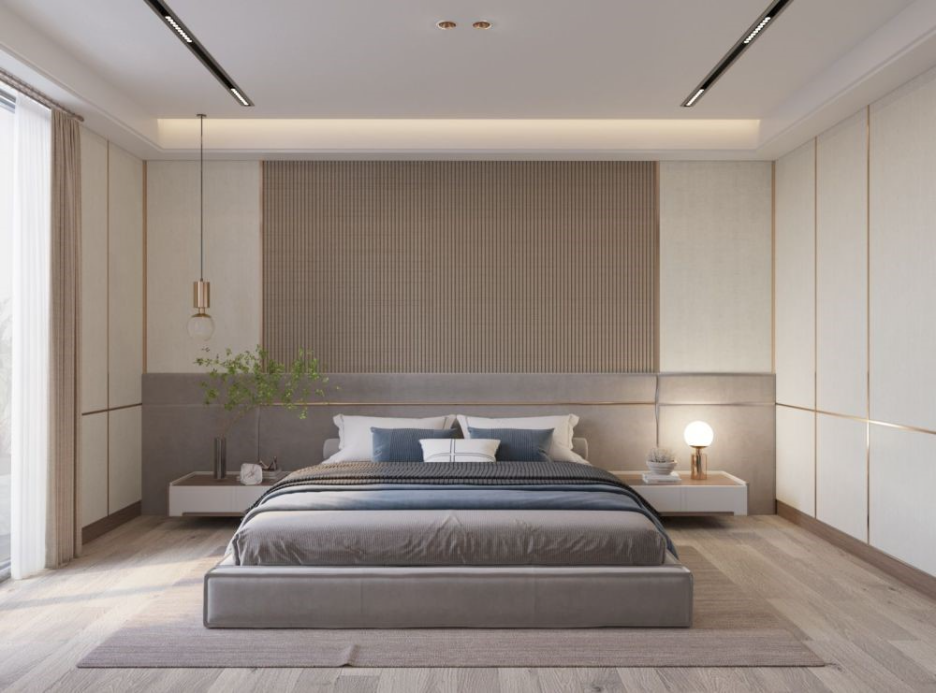
Neutral shades such as white, beige, gray, and soft brown are commonly used as the foundation of the interior palette. These colors are paired with clean-lined furniture and minimal decorative elements, resulting in spaces that feel calm, timeless, and easy to live in.
The Rise of Multifunctional Furniture
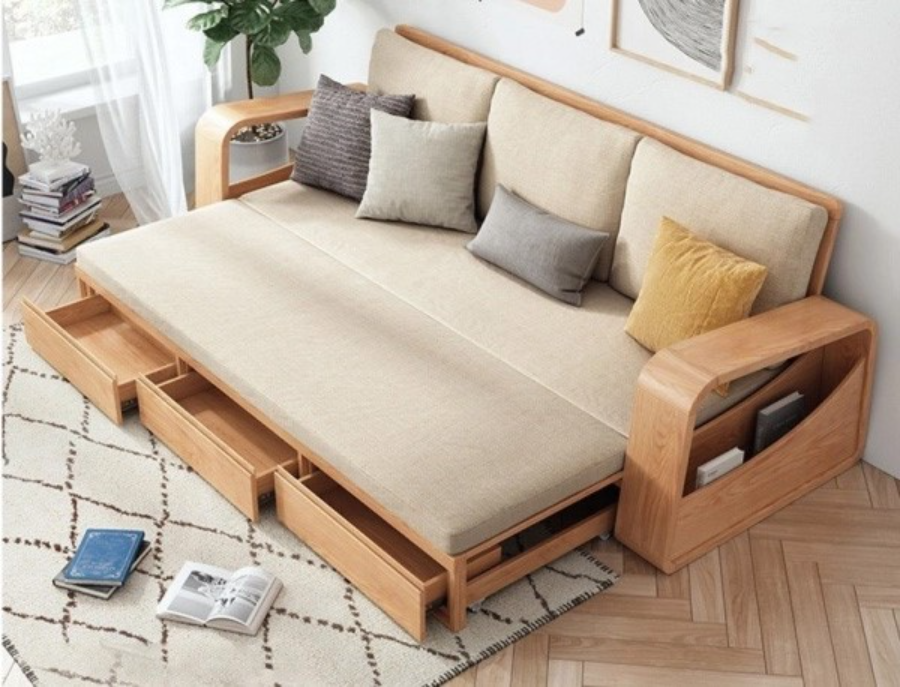
As apartment sizes become increasingly compact, multifunctional furniture solutions are gaining popularity. Designs that combine multiple purposes—such as sofa beds, extendable dining tables, vanity desks that double as workstations, and smart storage systems—help maximize usable space while maintaining everyday comfort and convenience.
Bringing Nature Indoors
The growing interest in sustainable and wellness-focused living continues to influence interior design.

Indoor plants are being incorporated into living rooms, balconies, and small corners throughout the home to strengthen the connection with nature. Beyond their aesthetic appeal, greenery helps create a more relaxing atmosphere and brings a sense of balance to urban living environments.
Prioritizing Natural Light
Natural light has become a key consideration in contemporary apartment design.
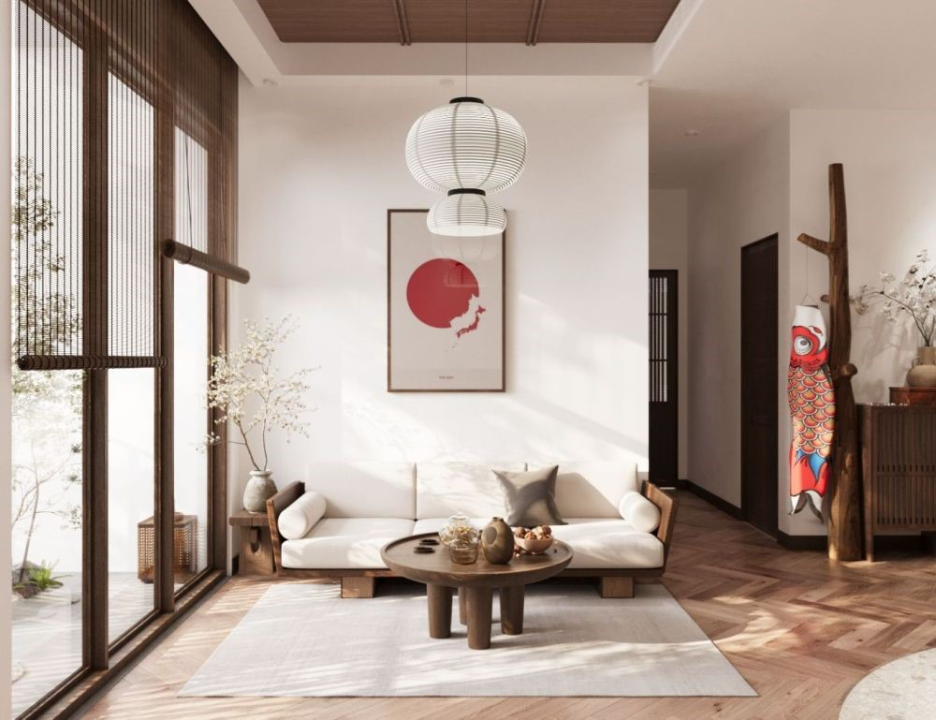
Large glass windows, spacious balconies, and transparent partitions are increasingly used to maximize daylight penetration, creating brighter and more visually expansive interiors. Making better use of natural light also helps reduce energy consumption during the daytime.
The Continued Popularity of Wood
Wood remains one of the most favored materials in residential interiors due to its natural beauty and ability to create warmth and comfort.
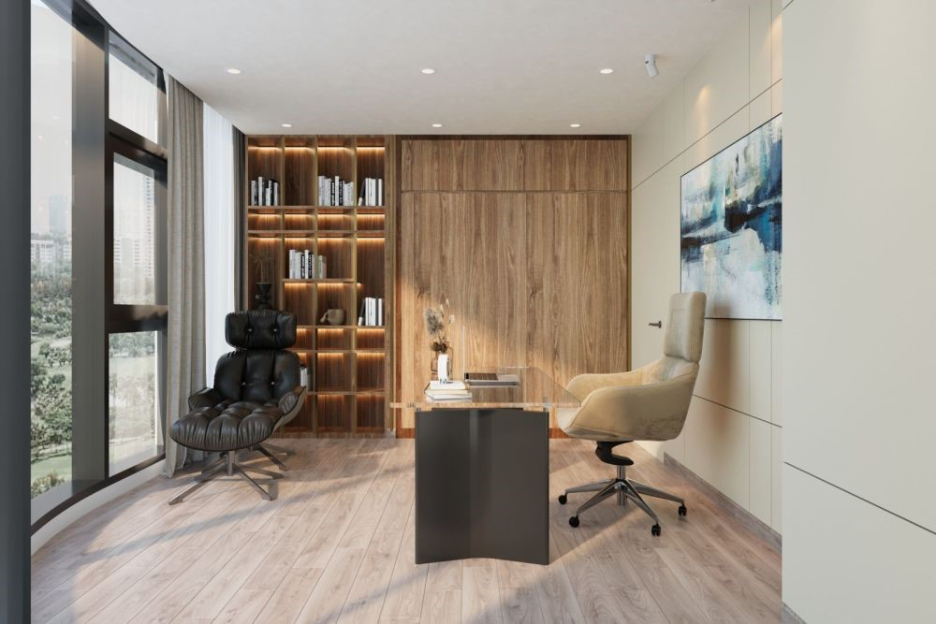
Large glass windows, spacious balconies, and transparent partitions are increasingly used to maximize daylight penetration, creating brighter and more visually expansive interiors. Making better use of natural light also helps reduce energy consumption during the daytime.
The Continued Popularity of Wood
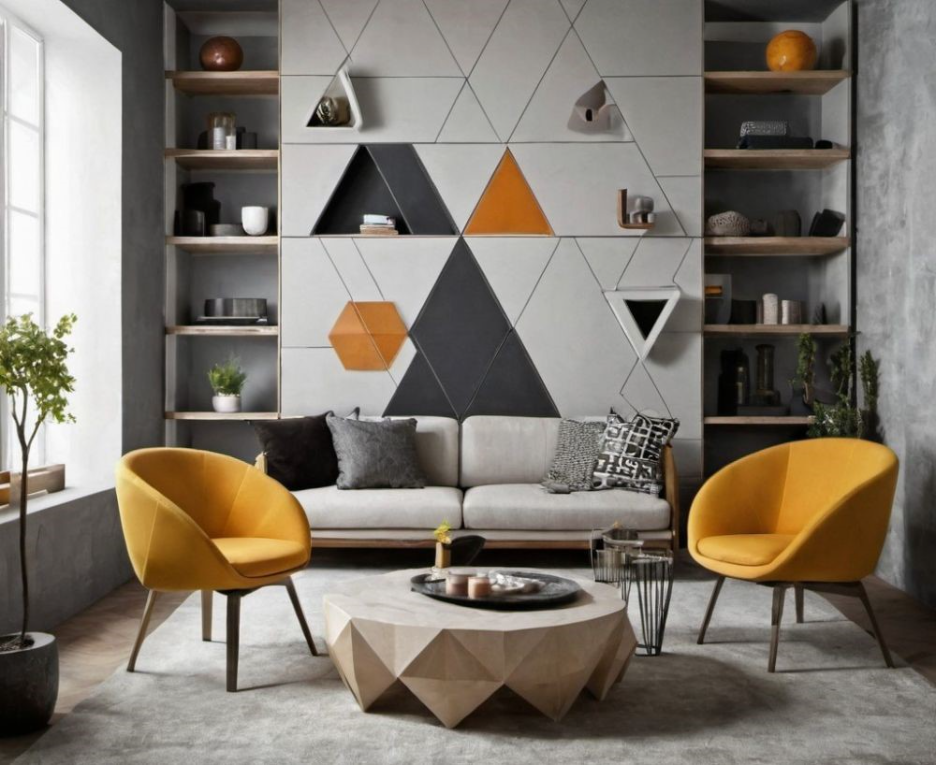
Wood remains one of the most favored materials in residential interiors due to its natural beauty and ability to create warmth and comfort.
As living preferences continue to evolve, apartment design is no longer focused solely on aesthetics. Instead, it increasingly prioritizes the overall experience of residents. Minimalism, biophilic design, natural light, and functional efficiency have emerged as defining trends, reflecting a growing desire for balance, comfort, and well-being within the home.
Source: Nice Design & Interior.
