


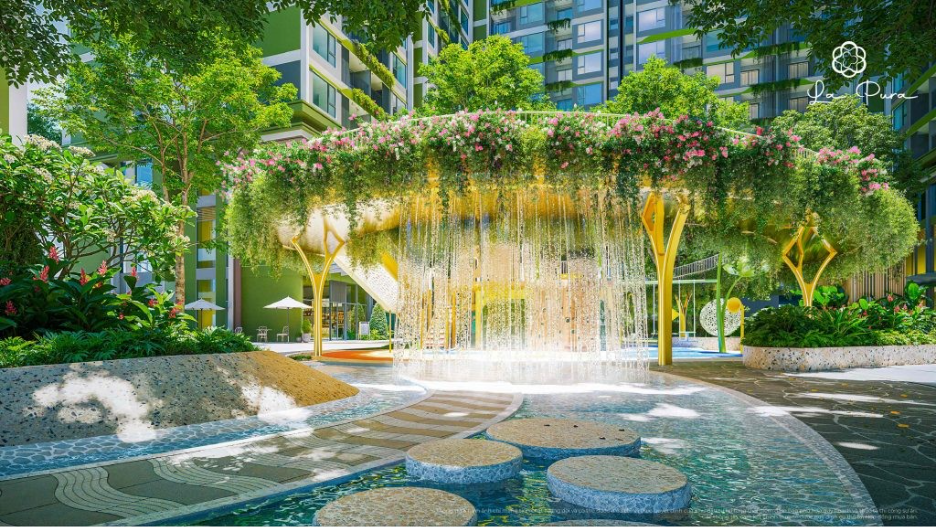
As urban life becomes increasingly defined by compact apartments and the need to maximize every square meter, the desire to reconnect with nature has never been stronger. In cities dominated by concrete and steel, incorporating greenery into living spaces is no longer just an aesthetic choice—it is a response to growing awareness of well-being. Numerous studies have shown that exposure to nature can help reduce stress, improve concentration, and support overall physical and mental health.
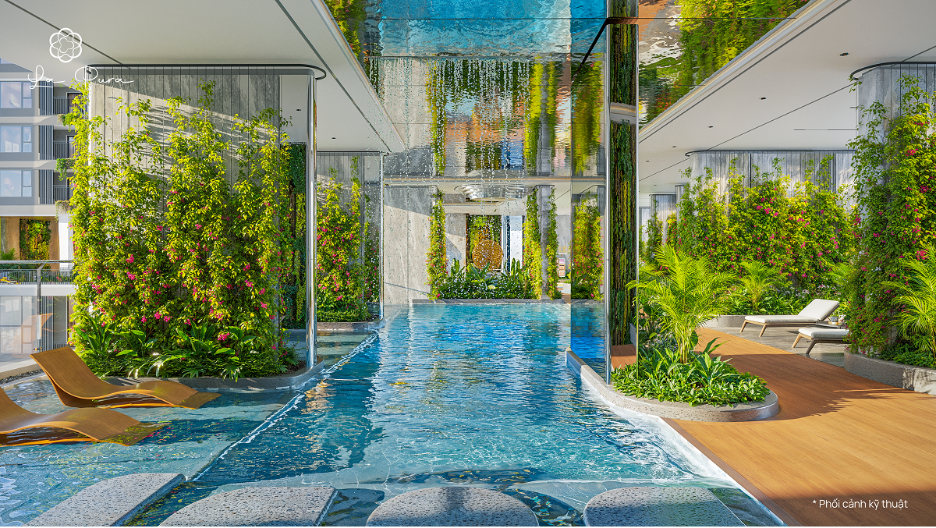
But in densely populated urban environments, how can residents create a greener home? The answer lies in innovative approaches where architects, designers, and homeowners work together to integrate nature into everyday living, regardless of space limitations.
Bringing Greenery Indoors: More Than Decoration
From vertical gardens to compact balcony plantings, greenery is reshaping the way people experience urban homes. In larger residential developments, shared green spaces such as rooftop gardens, courtyards, and atriums provide opportunities for relaxation, social interaction, and stronger community connections.
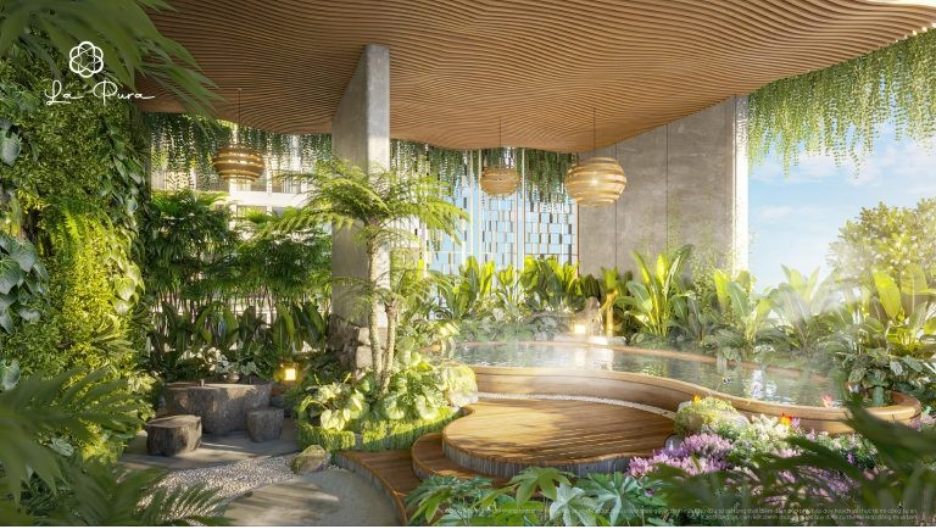
Introducing plants into living environments also helps address urban challenges such as rising temperatures and air pollution. Greenery naturally cools the environment, filters airborne particles, and creates refreshing pockets of nature within the city. As design philosophies increasingly embrace biophilic design—an approach that strengthens the relationship between people and nature—homes are evolving into spaces that actively support emotional and physical well-being.
Vertical Gardening: A Green Solution for Small Spaces
Limited floor space does not have to mean limited access to nature. Vertical gardening makes use of walls and vertical surfaces to create lush green features without sacrificing valuable living areas. Wall-mounted shelves, hanging planters, hydroponic systems, and self-watering installations can transform even the smallest corner into a vibrant green retreat.
Trailing plants such as pothos and ivy add depth and softness, while taller species like snake plants or ornamental bamboo draw the eye upward, making rooms feel larger and more open. Beyond their visual appeal, indoor plants also contribute to cleaner air and a more relaxing home environment.
Transforming Windows and Balconies into Mini Gardens
Natural light makes windows and balconies ideal locations for cultivating plants. With a few simple shelves, hanging baskets, or tiered planters, these areas can become thriving green spaces.
Windows are well suited for sun-loving plants such as succulents, cacti, string-of-pearls plants, or even a small herb garden featuring basil, mint, and rosemary.
Balconies, regardless of size, can be enhanced with climbing vines, flowering plants, ornamental grasses, and fragrant greenery. Some residents even create compact greenhouse-style setups to support plant growth throughout the year.
A green balcony offers more than visual beauty—it becomes a personal sanctuary where residents can enjoy a morning coffee, unwind after work, and reconnect with nature amid the rhythm of city life.
Rooftop Gardens and Shared Green Spaces
Nature should not be confined to individual apartments. Many contemporary residential developments now incorporate courtyards, skylit gardens, and rooftop landscapes as shared amenities where residents can garden, socialize, or simply relax surrounded by greenery.
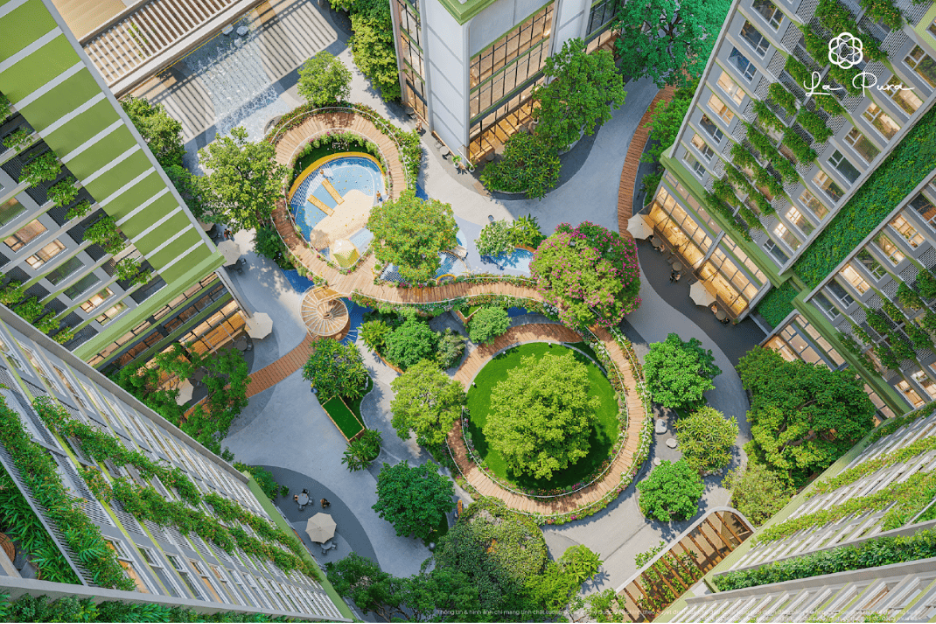
These communal green spaces offer multiple benefits:
- Encouraging stronger connections among neighbors
- Providing peaceful retreats within dense urban environments
- Helping reduce building temperatures and mitigate the urban heat island effect
When thoughtfully designed, such green areas can become the heart of a residential community.
Biophilic Design: Making Nature the Soul of the Home
Biophilic design extends far beyond placing a few plants indoors. It is a holistic approach that integrates natural elements into every aspect of a space—from light and materials to colors and spatial flow.
Common features include:
- Natural materials such as wood, stone, linen, rattan, and bamboo
- Soft, organic forms inspired by nature
- Air-purifying plants such as peace lilies, snake plants, and pothos
- Automated irrigation systems for convenient plant care
Together, these elements create interiors that are not only visually appealing but also restorative, inspiring, and supportive of everyday well-being.
Green Living in the City Is Within Reach
Designing with nature is not simply a passing trend. It represents a long-term approach to creating healthier, more sustainable, and more human-centered living environments. Whether through a small balcony garden, a vertical green wall, or a communal rooftop landscape, every green space contributes to a more balanced way of life.

