

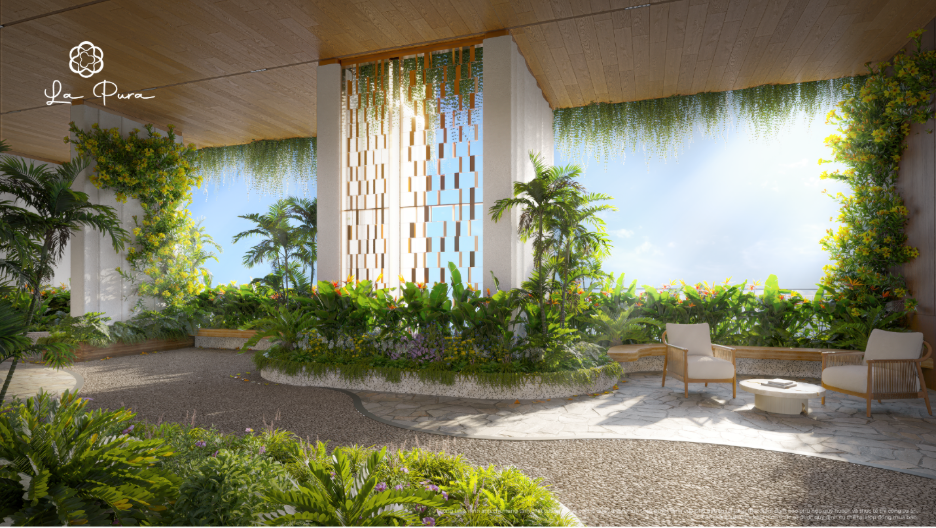
In the era of modern architecture, the concept of a home extends far beyond concrete walls and enclosed interiors. The growing popularity of biophilic design has elevated the relationship between people and nature to a central role in residential planning. A truly green living environment requires harmony between interior and exterior spaces.

Investing in outdoor environments not only improves aesthetic appeal but also contributes to physical well-being and mental rejuvenation. Here are six sustainable exterior design ideas that can transform a residence into a vibrant, nature-inspired ecosystem.
1. Maximize Every Opportunity to Create Green Spaces
Gardens remain one of the most effective ways to bring nature into daily life. However, the notion that a large plot of land is required for landscaping has become increasingly outdated.
Contemporary architects focus on utilizing every available green opportunity, whether it is a setback at the front of the house, a narrow side yard, or even unused corners beneath outdoor staircases.
Layered Landscaping
Instead of relying solely on lawns, combining shrubs, medium-height plants, and shade trees creates visual depth and enriches the outdoor environment.
Vertical Gardens
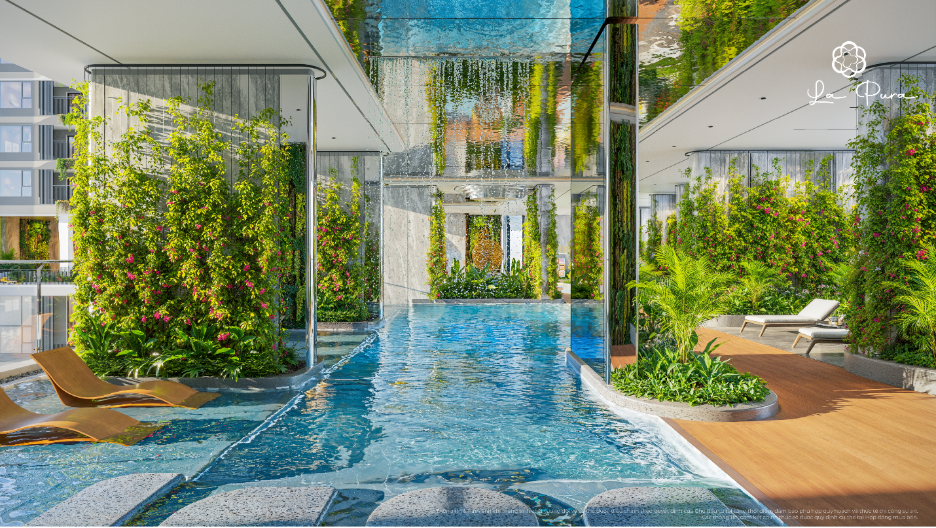
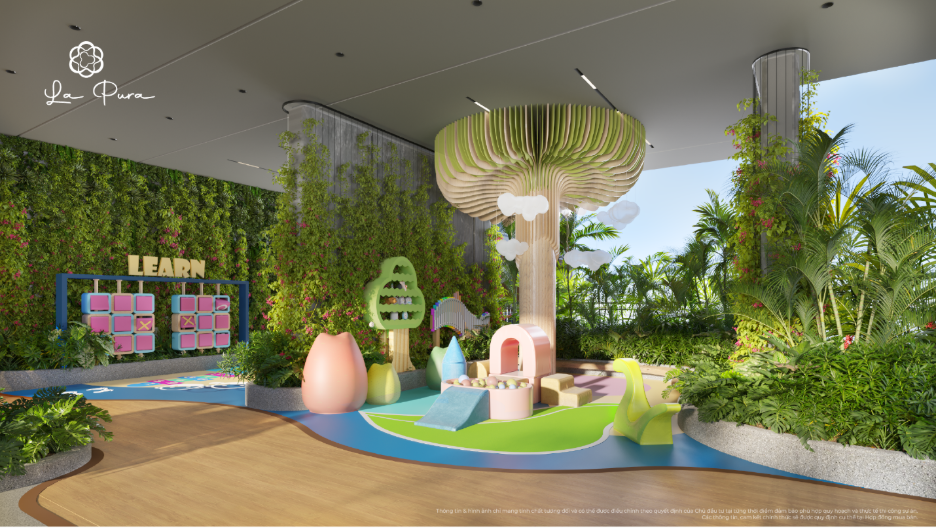
For urban homes with limited land, covering walls with climbing plants or modular planting systems provides an effective solution for cooling building surfaces while introducing greenery.
2. Turn the Rooftop into a Green Oasis
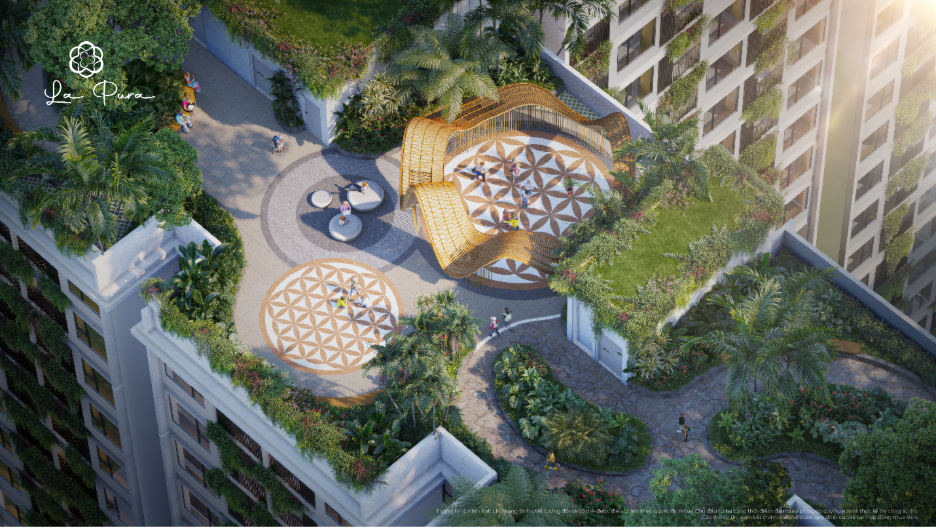
Rooftops often absorb significant heat from direct sunlight, making upper floors uncomfortably warm during summer months. Establishing rooftop greenery creates an attractive outdoor retreat while functioning as a natural insulation layer.
Several technical considerations are essential for a sustainable rooftop garden:
- Waterproofing and Drainage: Proper drainage systems help prevent water accumulation and protect structural surfaces from moisture damage.
- Smart Irrigation Systems: Automated drip irrigation maintains healthy vegetation while conserving water.
- Proper Surface Slope: Adequate drainage gradients ensure rainwater flows away efficiently, reducing long-term maintenance concerns.
3. The Art of Using Wood for Exterior Cladding
Natural materials such as wood instantly add warmth and character to a building's exterior. Unlike stone or concrete, wood offers a softer, more welcoming appearance and complements surrounding greenery beautifully.
Acoustic and Thermal Performance
Wood naturally reduces external noise and limits heat transfer into interior spaces.
Material Selection
Thermally modified wood or high-quality wood-composite materials are often preferred for their durability, resistance to warping, insects, and weather-related deterioration.
4. Combining Breeze Blocks with Greenery
Breeze blocks are a hallmark of tropical architecture. When paired with vegetation, they create a dual-layer environmental filter that moderates sunlight, improves airflow, and helps trap dust particles.
This design approach promotes natural ventilation while creating dynamic visual effects. As sunlight passes through foliage and perforated masonry, ever-changing patterns of light and shadow animate the space throughout the day.
5. The Power of Water in Landscape Design
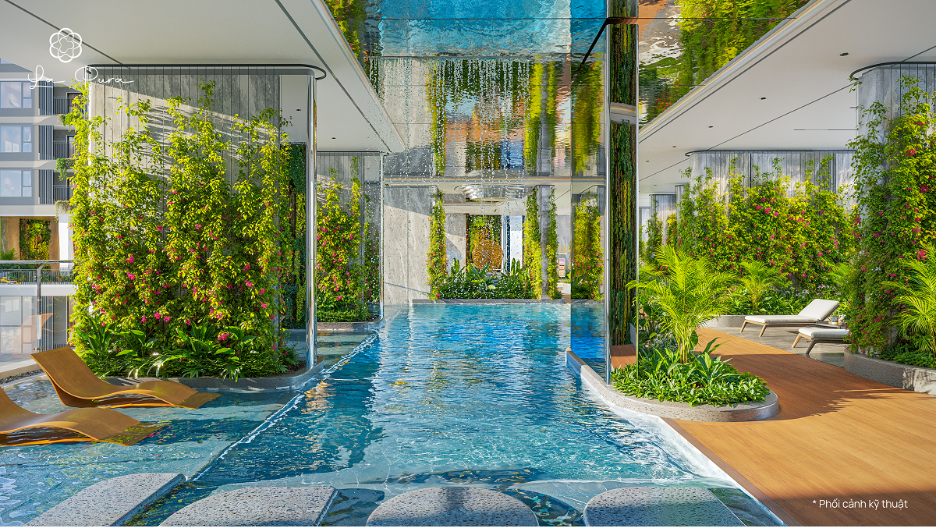
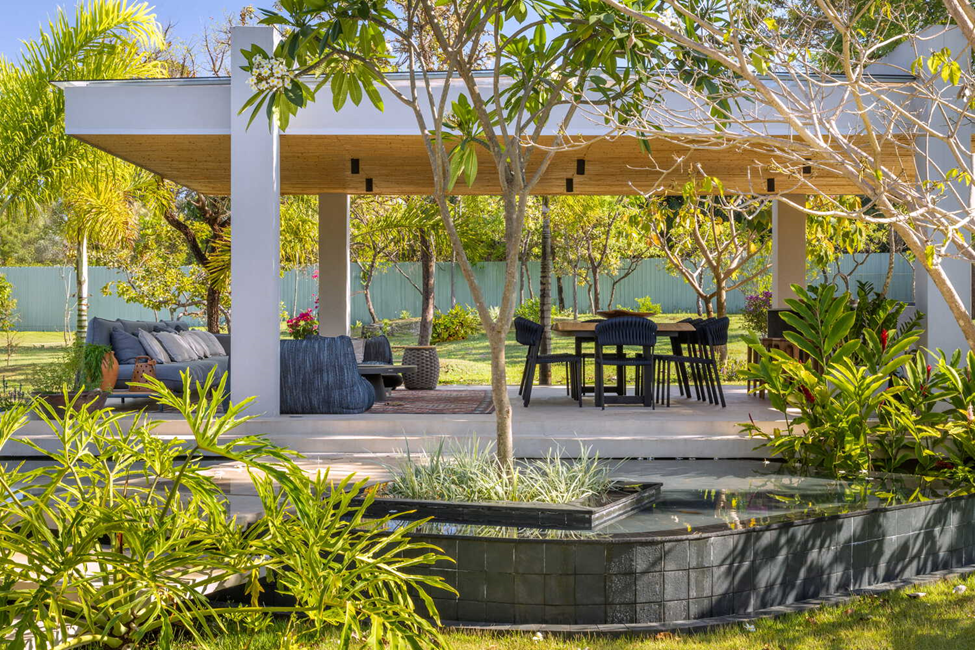
Water is often associated with prosperity and tranquility, but it also serves as one of nature's most effective cooling elements. The gentle sound of flowing water combined with greenery creates a calming atmosphere that promotes relaxation and well-being.
Versatile Applications
- Elaborate koi ponds
- Reflecting pools
- Compact wall-mounted waterfalls
- Decorative water gardens
Balanced Ecosystems
Water features combined with aquatic plants such as lotus, water lilies, and ferns help regulate humidity and cool the surrounding environment during hot weather.
6. Embrace an Organic Palette of Natural Materials
Sustainable landscape design is not solely about planting greenery—it also involves creating visual harmony through carefully selected materials and colors.
Earth-inspired tones such as warm wood browns, sandy beige, stone gray, and soft cream blend naturally with outdoor environments and allow architecture to feel rooted in its surroundings.
Sustainable materials including engineered bamboo, natural stone, and eco-friendly clay products further reinforce a timeless and environmentally responsible design approach.
Why Prioritize Green Exterior Design Today?
Health and Well-Being Benefits
Studies suggest that regular exposure to green environments can reduce cortisol levels and improve concentration. Thoughtfully designed outdoor spaces provide a buffer from urban noise while creating opportunities for relaxation and mental restoration.
Long-Term Value and Sustainability
Homes with sustainable landscape design often command higher market values and can reduce cooling energy consumption by as much as 30 percent. Green architecture represents a long-term investment that supports environmental stewardship while lowering operational costs.