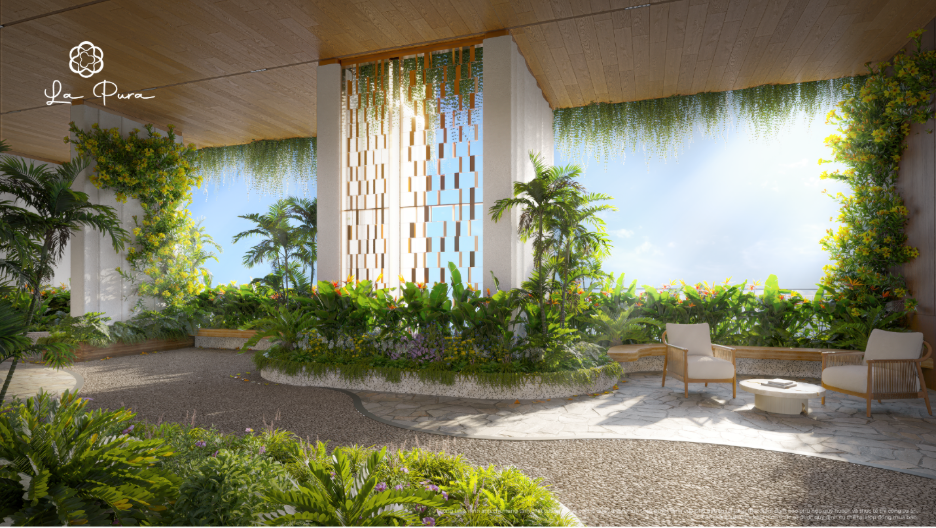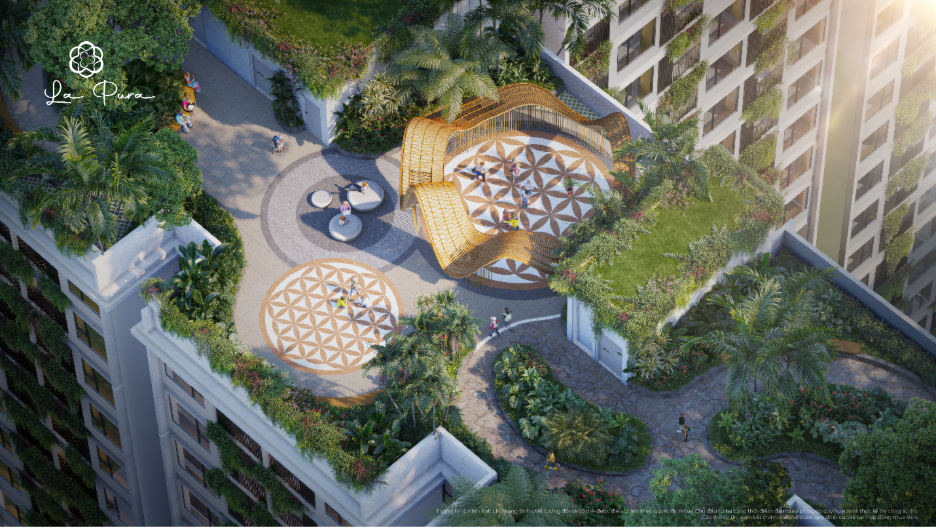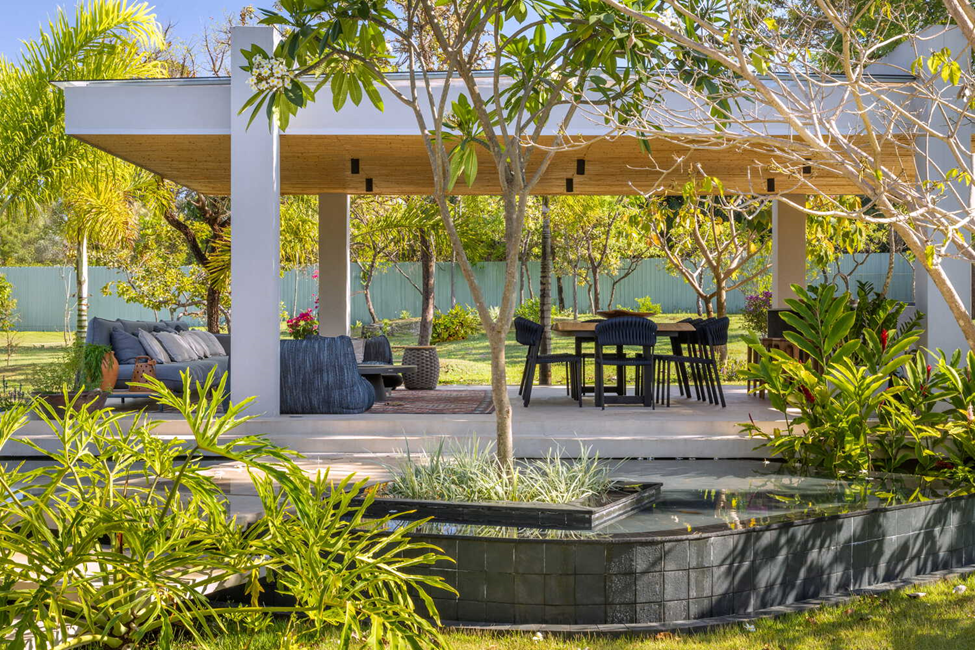


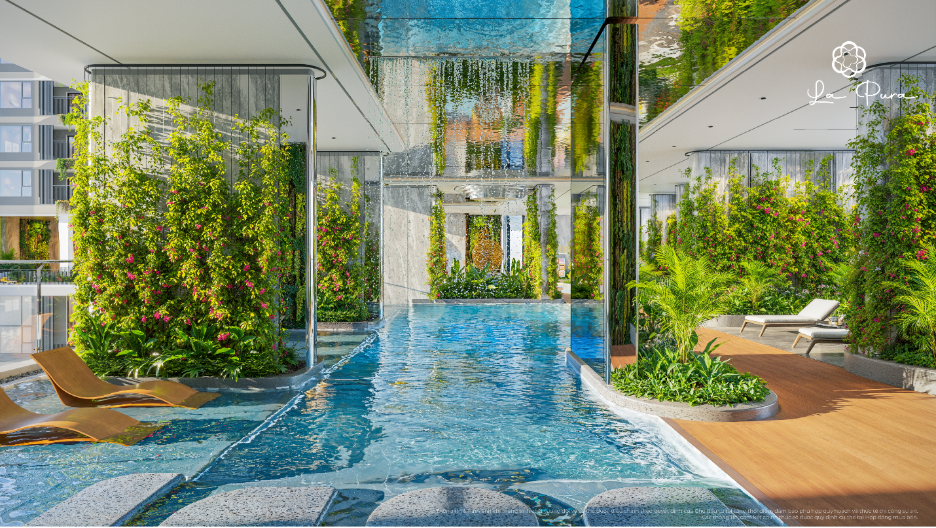
Creating an open, comfortable, and aesthetically pleasing living environment goes beyond the design of interior spaces. Thoughtful landscape planning has become an essential element of contemporary residential design. Today, beauty is no longer measured solely by visual appeal but also by a commitment to environmental responsibility. Sustainable garden landscaping embraces this philosophy by combining functionality, comfort, and ecological awareness to enhance everyday living.
What Is Garden Landscape Design?
A garden landscape can be viewed as a miniature ecosystem—a place where family members can relax, recharge, and reconnect with nature. It represents a harmonious blend of artistic vision, technical expertise, and environmental planning.
Landscape design extends far beyond the simple arrangement of plants. It involves carefully balancing greenery, outdoor functions, color palettes, lighting, and decorative features to create a cohesive and enjoyable environment. When architecture and landscape elements work together, they transform outdoor spaces into natural extensions of the home.

The Value of Sustainable Outdoor Living
A garden designed with sustainability in mind offers benefits that extend beyond aesthetics, enriching both everyday life and the surrounding environment.
Enhancing Modern Living Spaces
Greenery softens the rigid lines of concrete and manufactured materials. Layers of plants with varying colors, textures, and heights create a living landscape that feels both elegant and welcoming. The result is a private green sanctuary that brings nature closer to daily life.
Creating a Natural Environmental Filter
A well-designed sustainable garden plays an important role in improving environmental quality. Vegetation helps filter dust, reduce noise pollution, and regulate temperature. During warmer months, trees and plants provide natural cooling, reducing heat gain and creating a more comfortable outdoor and indoor environment.
Strengthening the Connection with Nature
Gardens help bridge the gap between busy modern lifestyles and the natural world. The fragrance of flowers, the movement of leaves, and the calming presence of greenery contribute to reduced stress levels and a greater sense of well-being, creating a resort-like atmosphere at home.
Sustainable Materials in Landscape Construction
One of the defining characteristics of sustainable landscape design is the preference for natural, renewable, and recyclable materials.
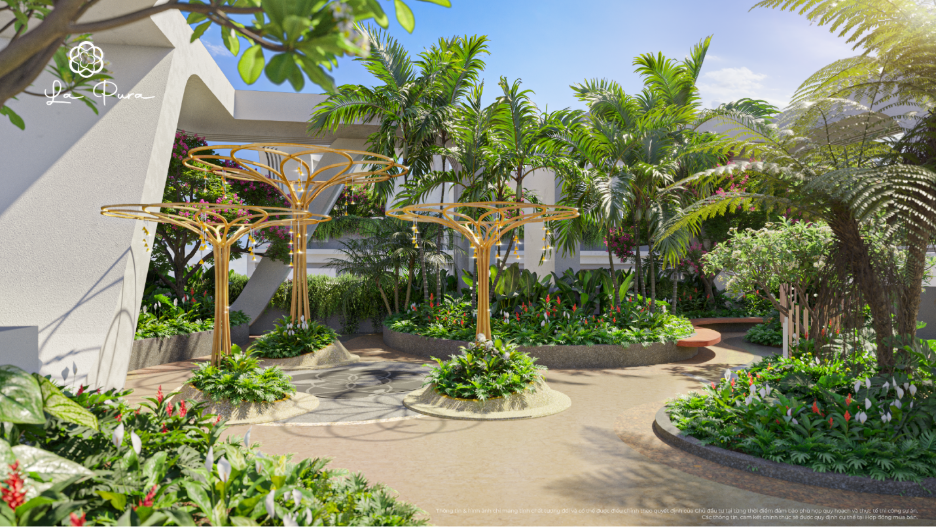
Natural Wood and Bamboo
Eco-Certified Wood
Timber species such as pine and teak are widely used for outdoor furniture and landscape features because of their durability and timeless appearance. To ensure sustainability, homeowners are encouraged to select wood certified by the Forest Stewardship Council (FSC), which promotes responsible forest management practices.
Bamboo: A Renewable Material for the Future
Bamboo is increasingly valued for its rapid growth rate and exceptional renewability. It is commonly used for decorative structures, screens, and outdoor furnishings. To ensure longevity and safety, bamboo should be properly treated and protected, ideally using adhesives and finishes that are free from formaldehyde and other harmful substances.
Smart Alternatives: Rattan, Recycled Steel, and Aluminum
For those seeking alternatives to solid wood, natural rattan and recycled metals offer sustainable and durable solutions. Recycled steel and aluminum are weather-resistant, long-lasting, and easily reintroduced into future recycling cycles. Meanwhile, rattan provides a warm and natural aesthetic while remaining environmentally friendly and cost-effective.
Creative Landscaping with Recycled Materials
Repurposing wooden pallets, shipping crates, and other reclaimed materials into outdoor furniture, planters, or decorative features has become an increasingly popular trend. This approach not only reduces waste and lowers costs but also allows homeowners to create unique, personalized garden elements with character and creativity.
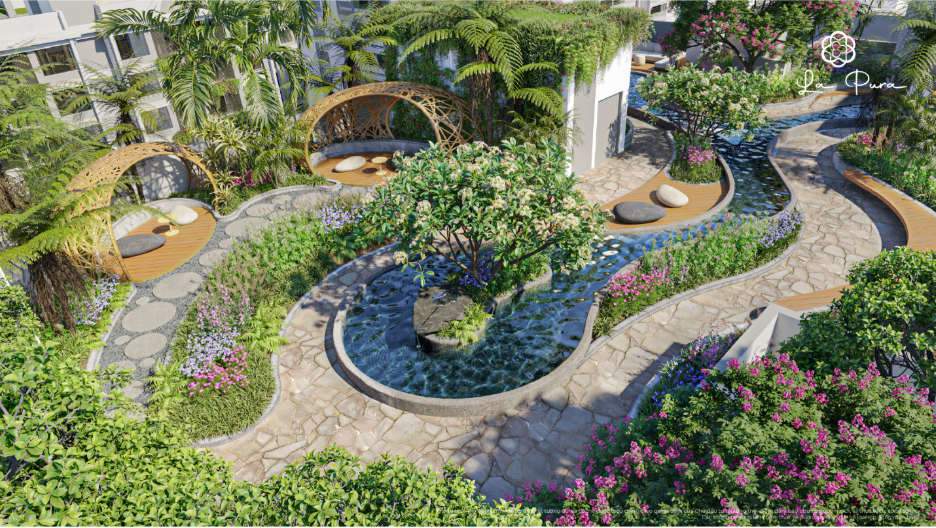
Investing in a Greener Future
Choosing a sustainable approach to landscape design is more than simply following a trend—it is a long-term investment in environmental stewardship, personal well-being, and quality of life. By integrating natural materials, thoughtful planting strategies, and eco-conscious design principles, homeowners can create outdoor spaces that are both beautiful and beneficial for generations to come.
A well-designed sustainable garden is not only a place to enjoy nature—it is a reflection of a lifestyle that values balance, responsibility, and harmony with the environment.