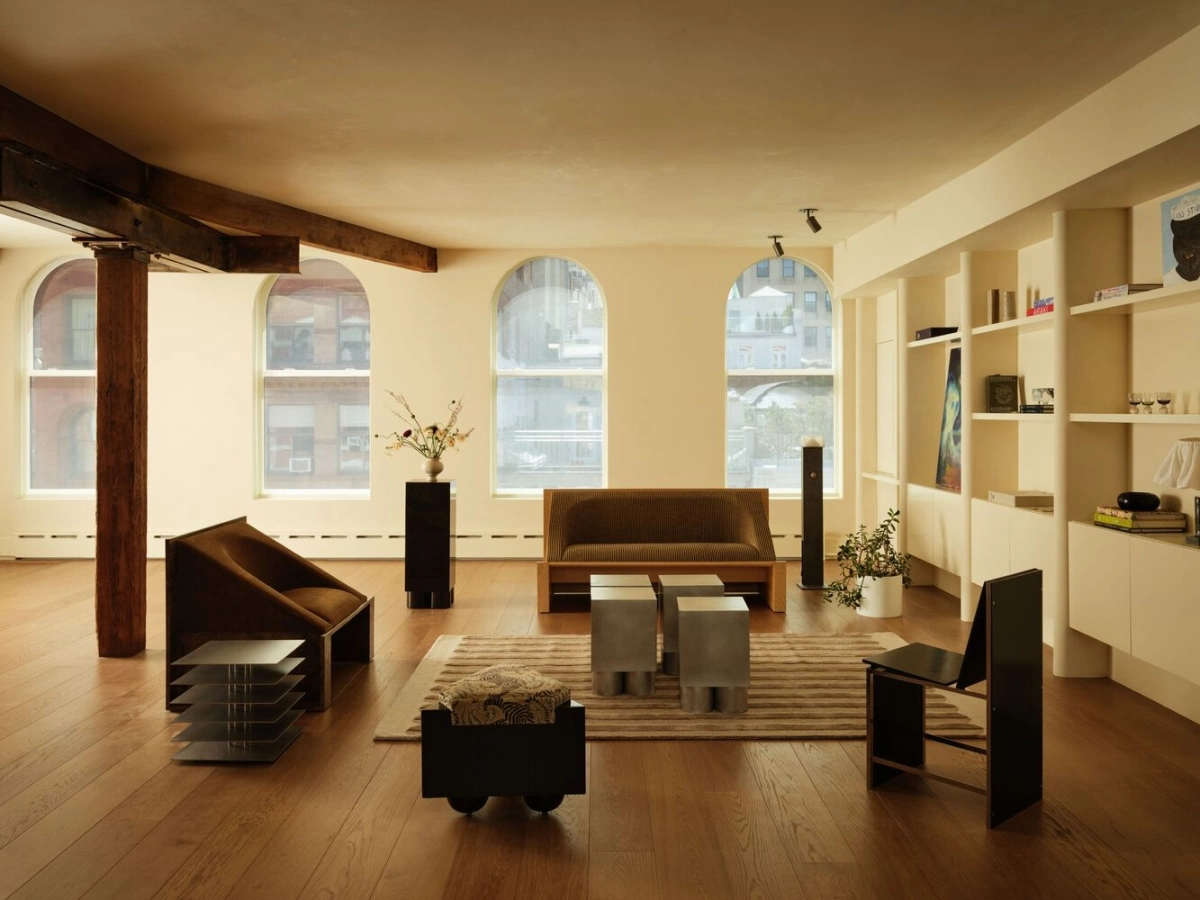


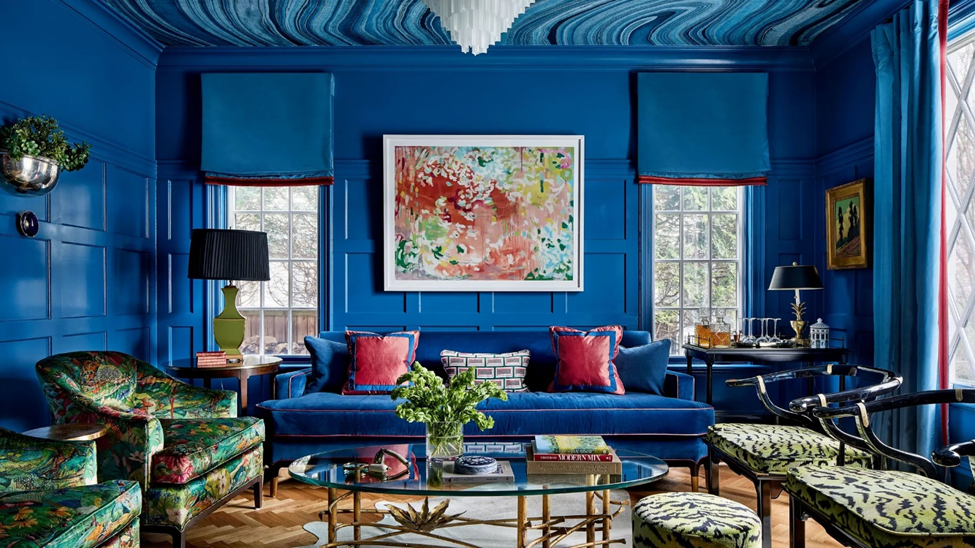
After years dominated by white walls, minimalist lines, and neutral color palettes, the world of interior design is witnessing the return of a dramatically different aesthetic: maximalism. No longer constrained by the philosophy of “less is more,” homeowners are increasingly embracing bold colors, layered patterns, artwork, and personal collections as a way to express individuality through their living spaces.
Maximalism Is Not Clutter
One of the most common misconceptions about maximalism is that it simply means filling a home with as many objects as possible.

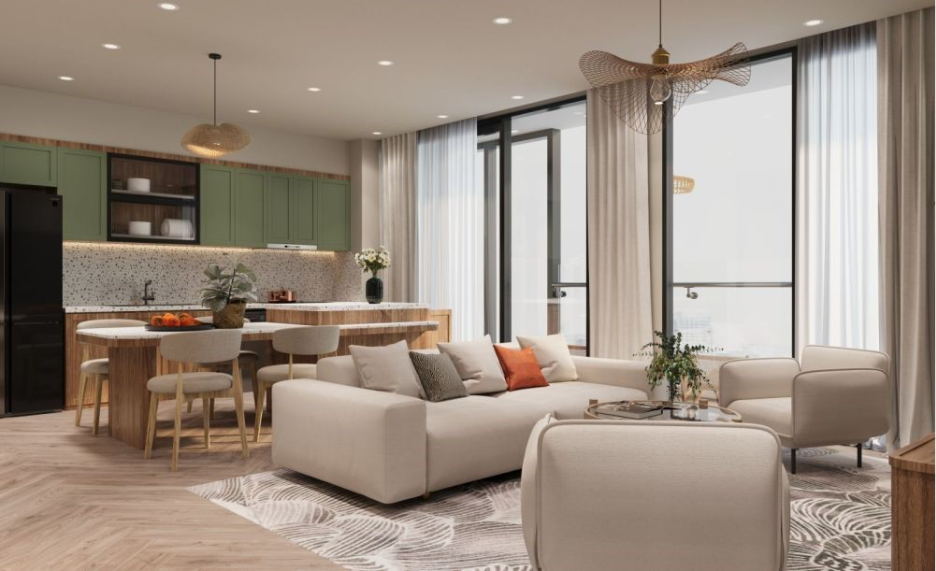
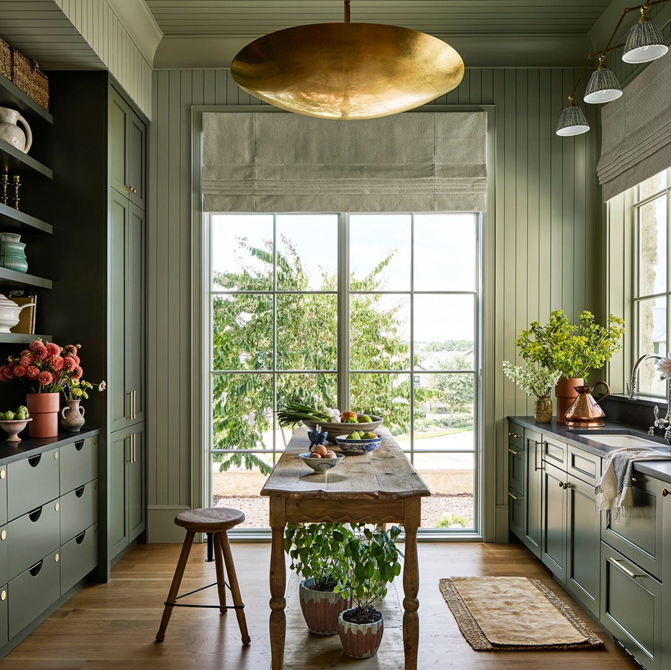
In reality, designers view maximalism as a carefully curated art form. Colors, materials, furniture, artwork, and personal collections are intentionally layered to create a visually rich and emotionally engaging narrative. It is this sense of purpose that distinguishes a character-filled interior from a cluttered room.
Color Takes Center Stage
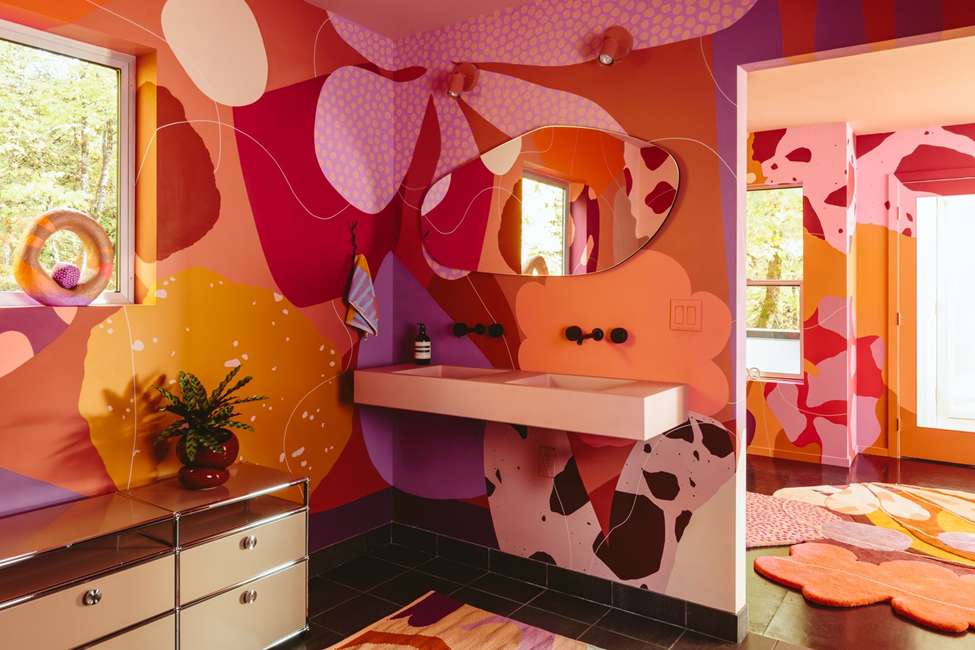
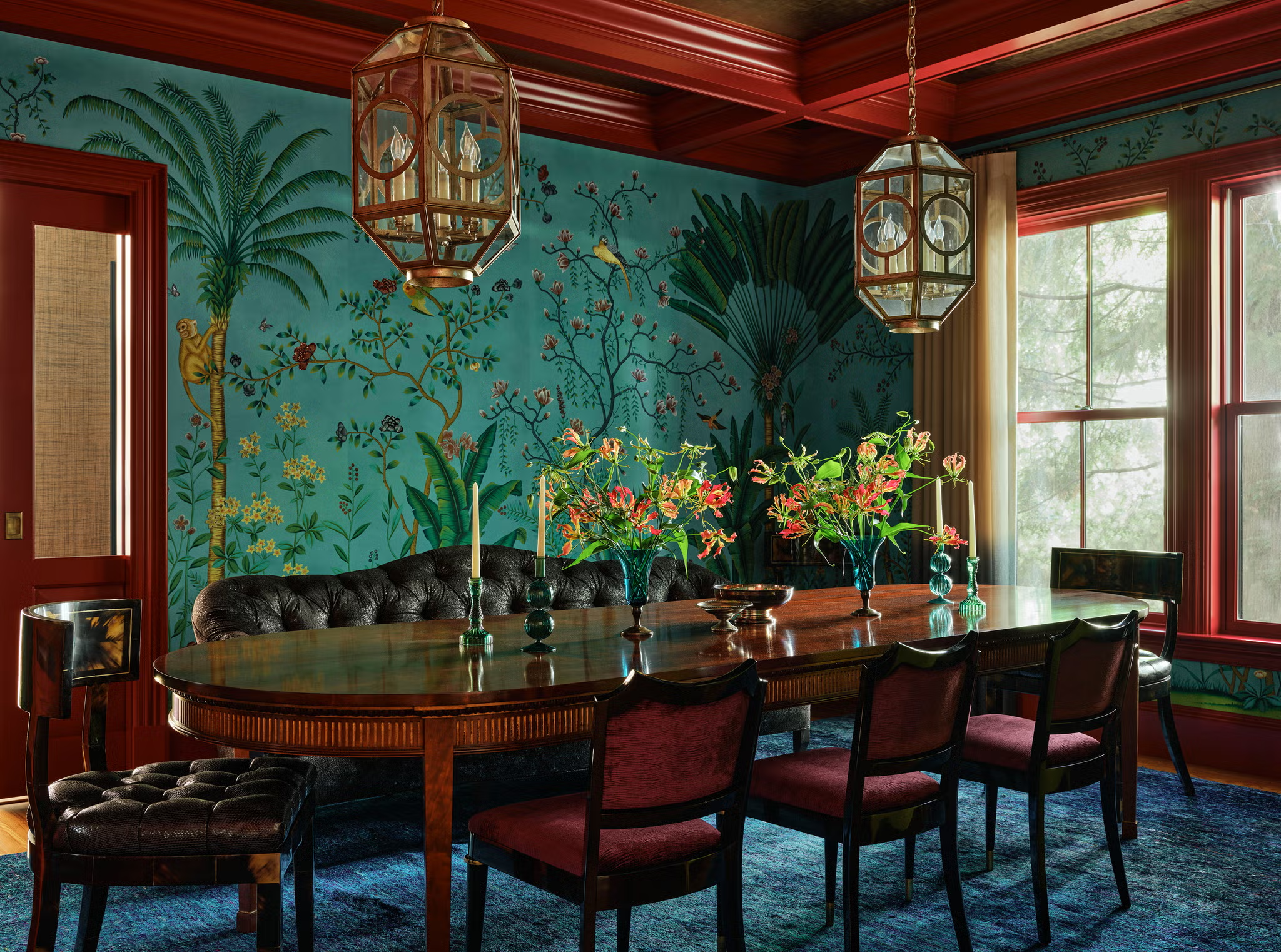
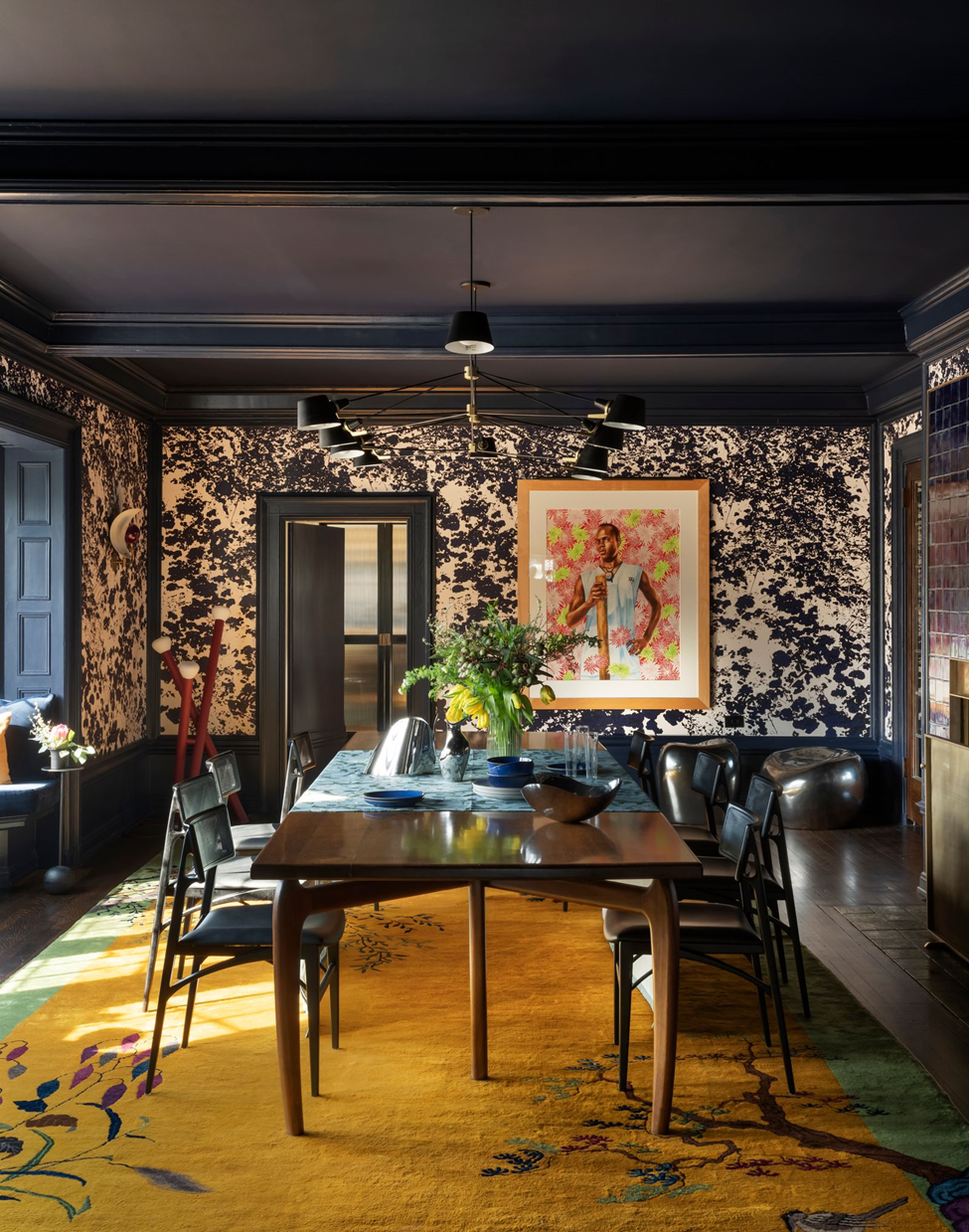
While minimalist interiors often favor shades of white, beige, and soft gray, maximalism encourages a much bolder approach. Turquoise, fuchsia, mustard yellow, ruby red, and emerald green can coexist within the same space without feeling overwhelming. Instead, these vibrant hues work together to establish a distinct identity for the home.
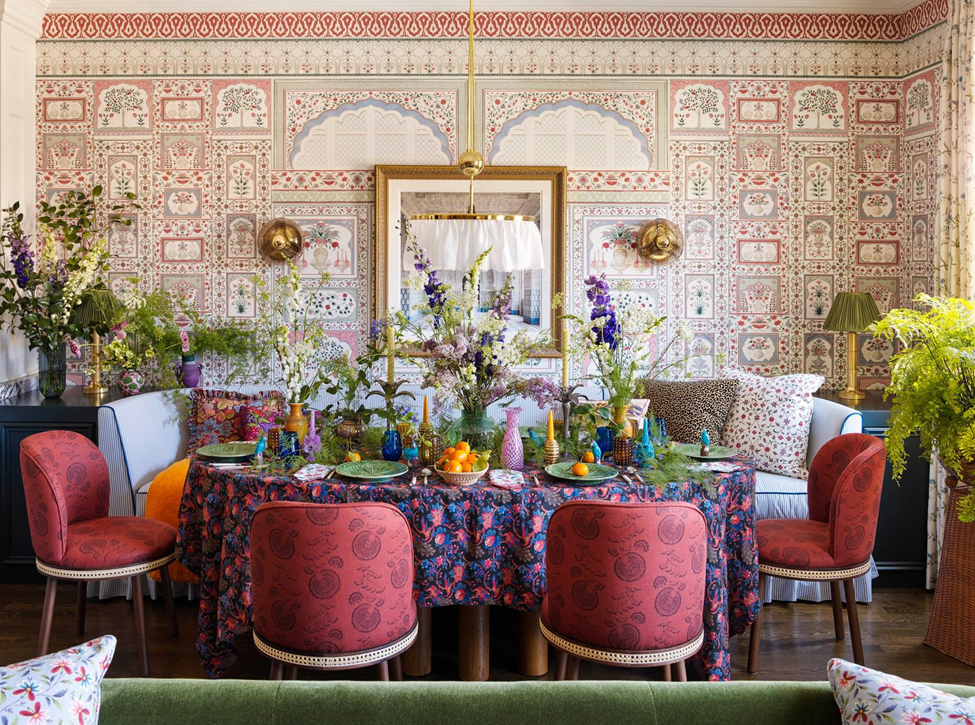
Many designers also employ a technique known as “color bombing,” applying bold hues across walls, ceilings, and cabinetry to create a dramatic visual impact and an immersive design experience.
The Home as a Personal Collection
One of the most appealing aspects of maximalism is its ability to reflect the personality of those who live within the space.
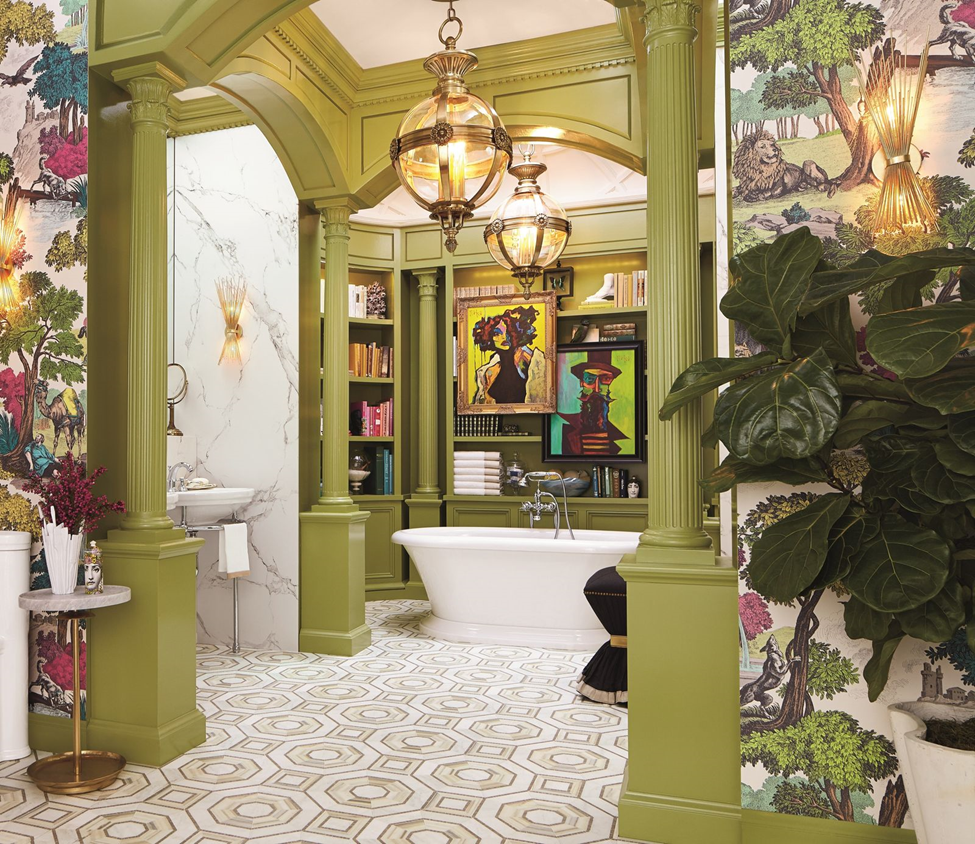
Favorite books, collected artwork, antiques, travel souvenirs, and handcrafted objects can all become part of the interior design. Rather than concealing personal traces in pursuit of perfection, maximalism celebrates the stories, memories, and experiences that make a home unique.
The Rise of Patterns and Textures
Maximalist interiors rarely rely on a single material or finish. Oversized patterned wallpapers, decorative rugs, velvet upholstery, aged wood, metal accents, handcrafted ceramics, and natural stone are often layered together to create depth and visual interest.
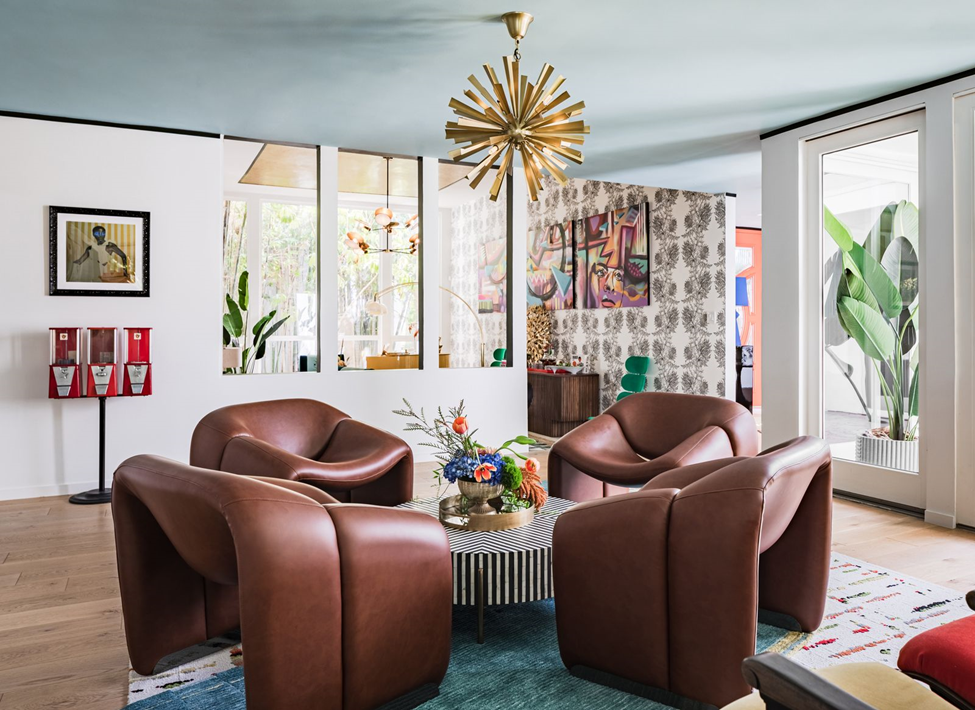
The interplay of different materials and surfaces allows rooms to evolve throughout the day as natural light highlights their varied textures and details.
Many designers believe that this richness of materials is one of the defining characteristics that gives contemporary maximalist interiors their sense of luxury.
A Statement of Individuality
The resurgence of maximalism reflects a growing desire for individuality in interior design.
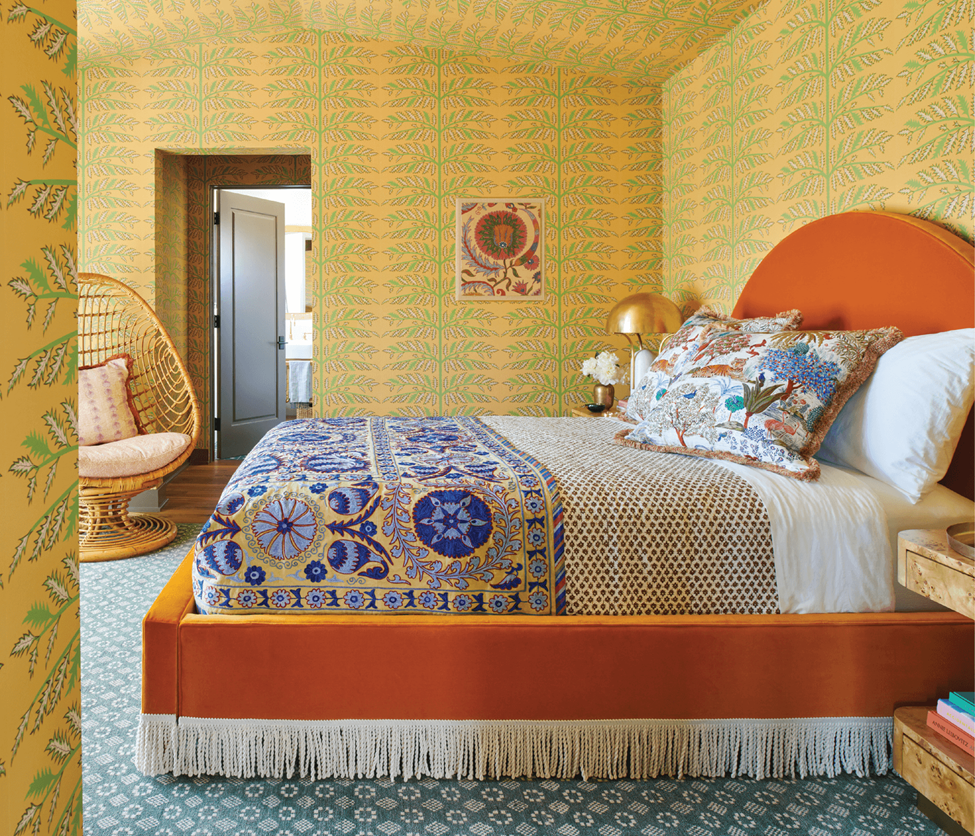
After years in which many homes adopted similar neutral palettes and minimalist furnishings, homeowners are increasingly seeking spaces that reflect their personal tastes, memories, and lifestyles. As a result, maximalism has become more than an aesthetic trend—it is a form of self-expression.