

The growing popularity of remote work in recent years has transformed not only daily routines but also the way people design and use their living spaces. While homes were once primarily intended for rest and family life, many homeowners now expect their residences to accommodate work, study, and relaxation simultaneously.

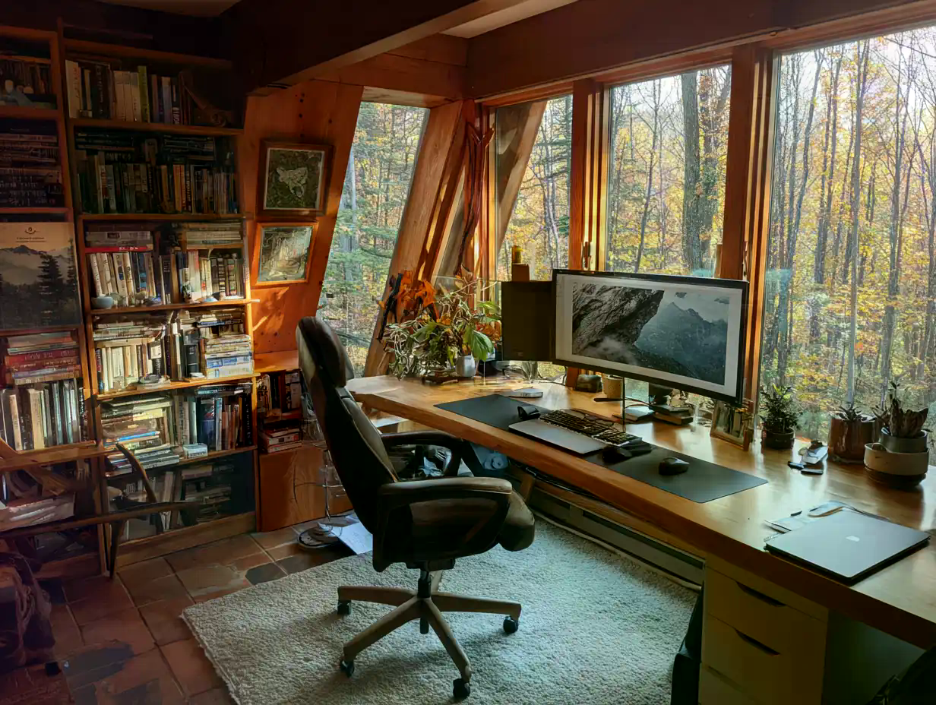
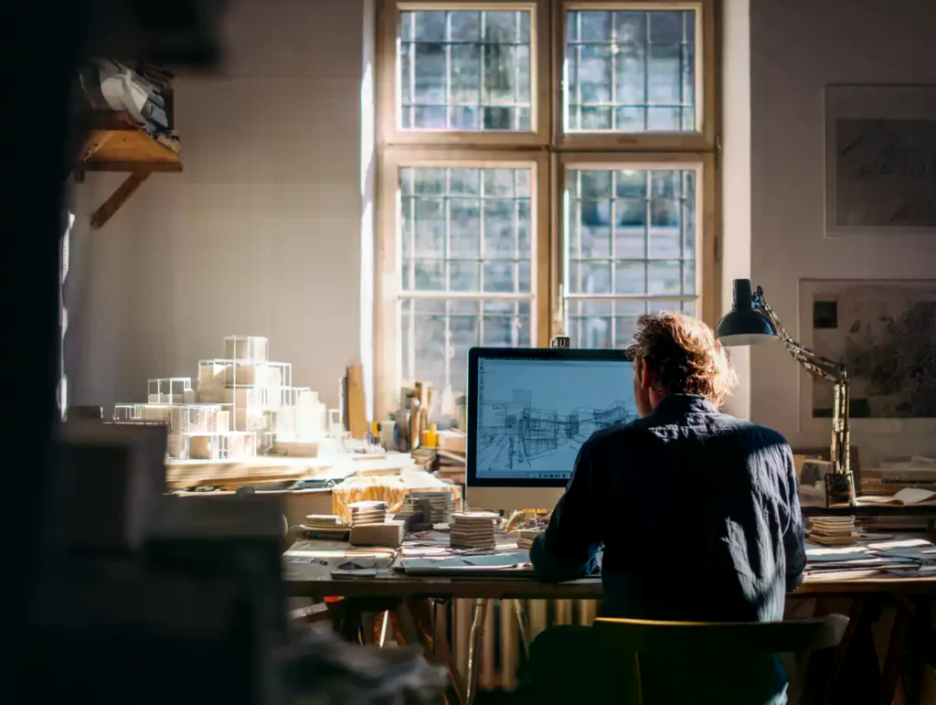
One of the most noticeable changes is the emergence of dedicated workspaces within the home. Rather than setting up temporary workstations at dining tables or in living rooms, homeowners are increasingly prioritizing quiet, well-lit areas that offer a degree of separation from everyday household activities. Even in smaller apartments, allocating space specifically for work has become an increasingly common requirement.
As a result, flexible design solutions are gaining popularity among architects and interior designers. A single room may function as a home office during the day and transform into a bedroom or living area in the evening. Multifunctional furniture, movable partitions, and smart storage systems are being used more frequently to maximize space efficiency and enhance adaptability.
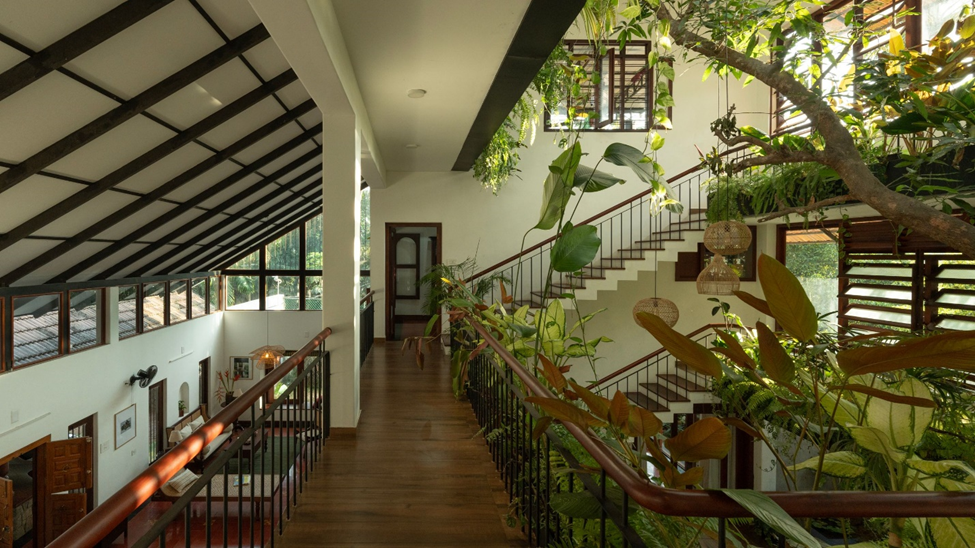
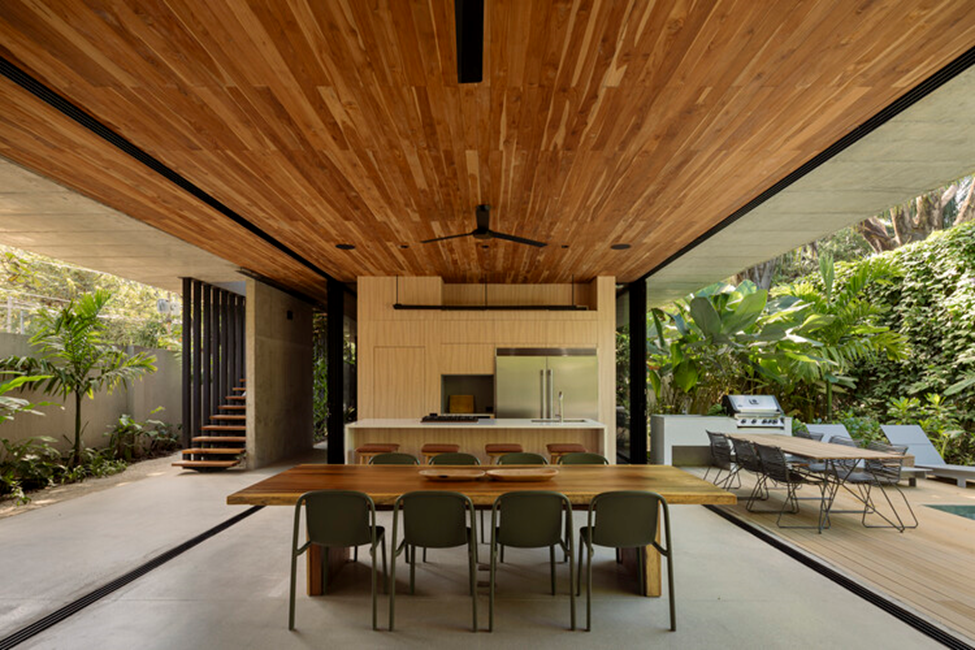
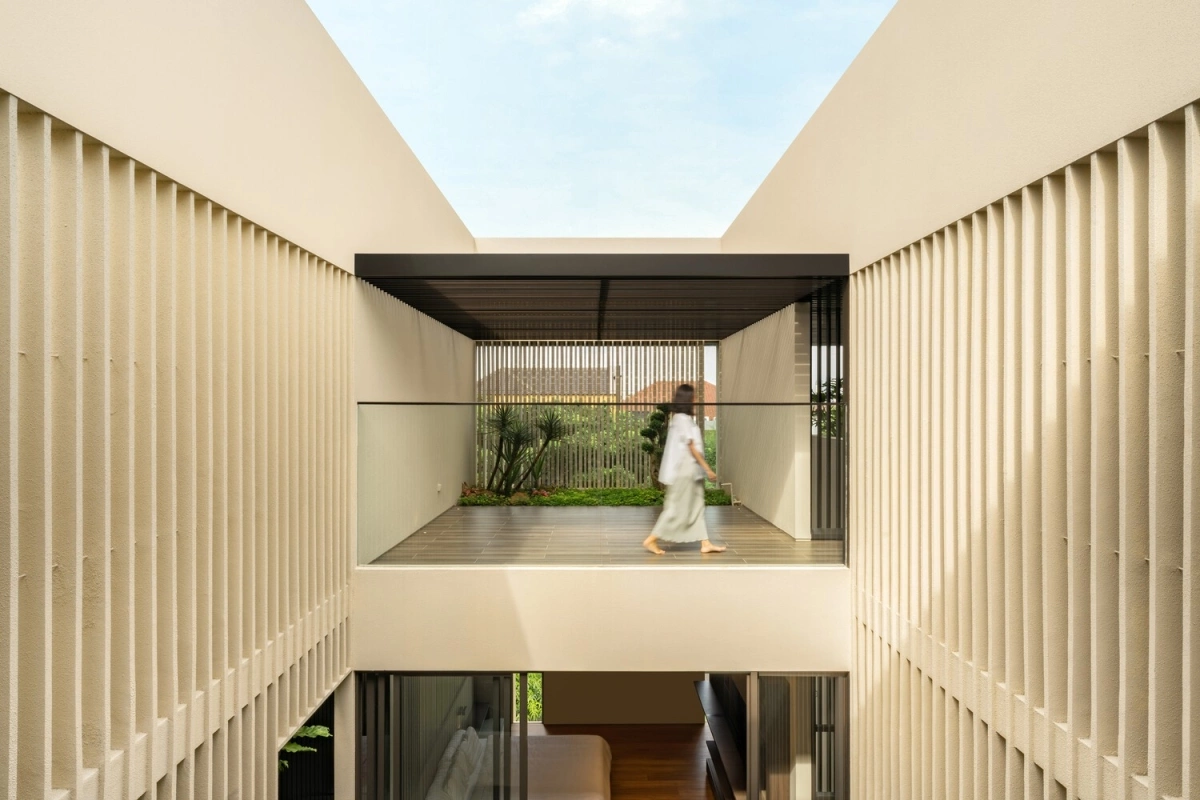
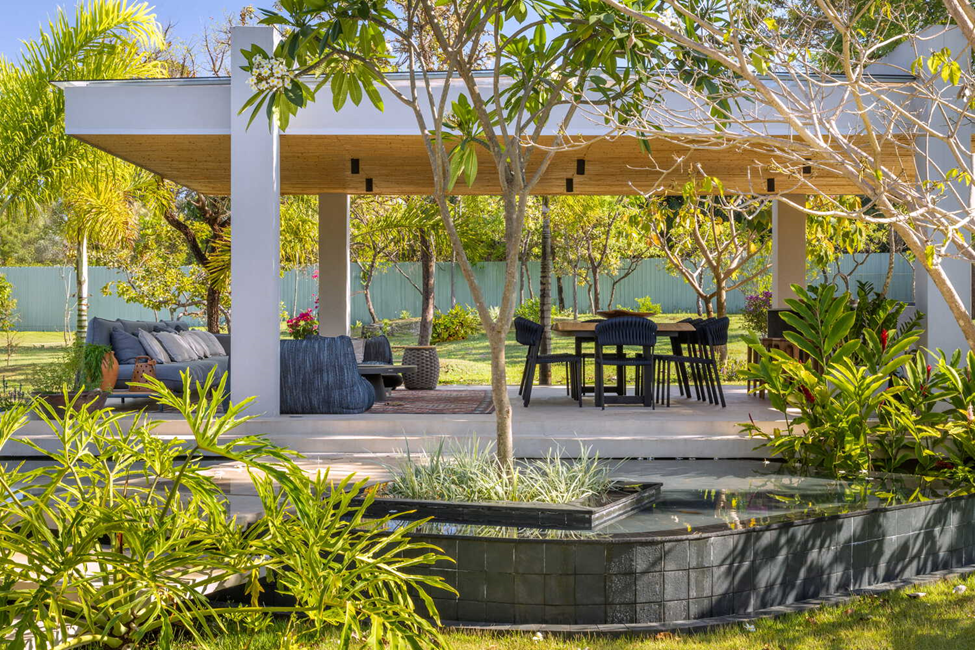
As people spend more time at home, factors such as natural light, indoor air quality, and connections to nature have become increasingly important. Large windows, spacious balconies, and small outdoor courtyards not only improve ventilation but also create opportunities for relaxation throughout the workday. For many individuals, access to greenery and daylight has become an essential part of a healthy living experience.
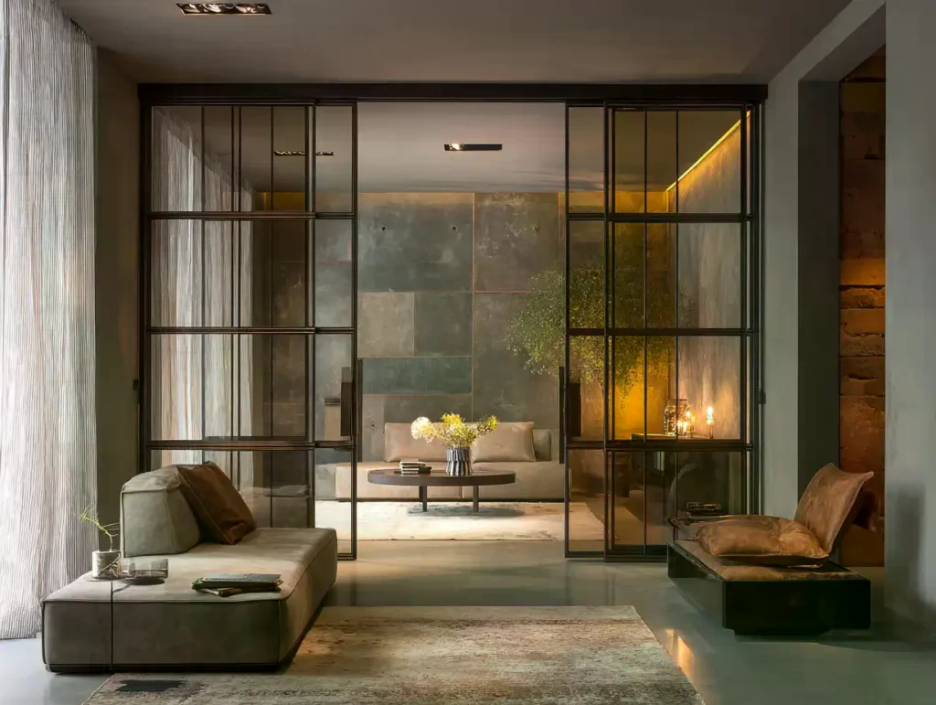
This shift is also influencing the way residential developments and apartment projects are planned. Beyond traditional amenities, many new developments now incorporate coworking spaces, meeting rooms, and quiet work areas designed specifically for residents. These additions reflect the evolving role of housing, as the distinction between living and working environments becomes increasingly fluid.
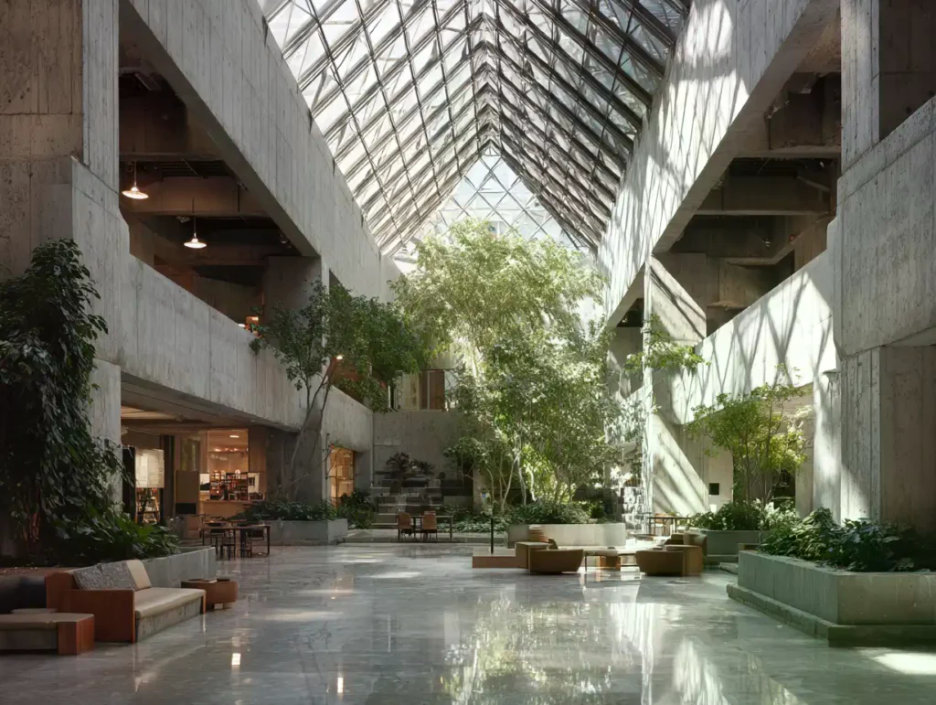
The trend highlights how modern homes must do more than satisfy functional and aesthetic requirements. They are now expected to adapt to a wide range of daily activities and changing lifestyles. As the way people work continues to evolve, architecture and residential design are being reshaped to meet new expectations and support a more flexible way of living.